Corgi Genetics and Inheritance
 Why does a Pembroke Welsh Corgi — a breed barely a foot tall at the shoulder — carry the same herding instincts as dogs three times its size? Why do Corgis suffer from back problems at rates that seem disproportionate to their sturdy appearance? And why, when you look at a Corgi's lineage, can you trace not just coat colors and ear sets, but a specific genetic event — a retrogene insertion — that fundamentally reshaped their skeleton?
These questions converge on a single reality: **the Pembroke Welsh Corgi is a case study in how intense selection for specific traits can reorganize a genome, producing both the breed's defining charm and its characteristic vulnerabilities.** Understanding Corgi genetics is not abstract breed trivia. It is essential for anyone making health decisions, breeding choices, or simply trying to understand why this particular dog carries the risks and behaviors it does.
The Pembroke Welsh Corgi diverges from the general companion dog in three genetically significant ways. Extreme limb dwarfism driven by a specific molecular mechanism, a herding lineage that persists despite radical body reshaping, and a genetic bottleneck that concentrated both desirable traits and disease risks.
The FGF4 Retrogene
A Molecular Origin of Dwarfism
Most dog breeds achieve their size through quantitative variation in growth genes — the polygenic architecture described in the Master Pillar. The Corgi does not. Its short legs result from a specific, identifiable molecular event: the insertion of a **fibroblast growth factor 4 (FGF4) retrogene** on chromosome 18.
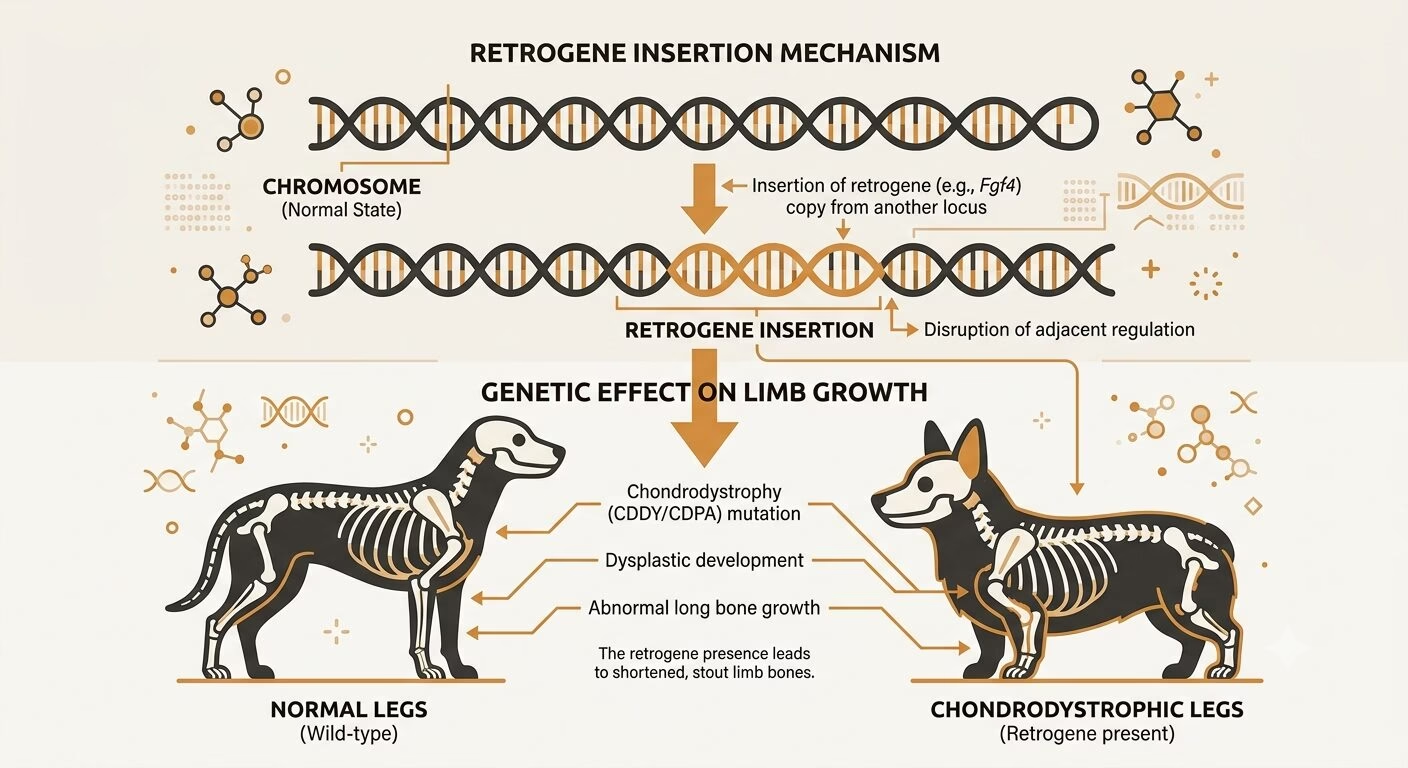
Parker et al. (2009) — An Expressed FGF4 Retrogene Is Associated with Breed-Defining Chondrodysplasia in Domestic Dogs** identified this mechanism across multiple chondrodystrophic breeds, including the Pembroke Welsh Corgi, Dachshund, Basset Hound, and Scottish Terrier. A retrogene is a processed messenger RNA that has been reverse-transcribed back into DNA and inserted into a new genomic location — in this case, chromosome 18. This insertion drives ectopic expression of FGF4, a growth factor that alters cartilage development during embryogenesis.
Key finding:The FGF4 retrogene is not merely associated with short legs — it is the causal mechanism. Dogs carrying the insertion show disproportionate limb shortening (achondroplasia-type dwarfism) while maintaining normal body length and head size. This is not a "small dog" genetic program; it is a specific skeletal dysplasia that humans selected for because it produced a low-slung herding dog capable of dodging cattle kicks.
IVDD The Skeletal Consequence
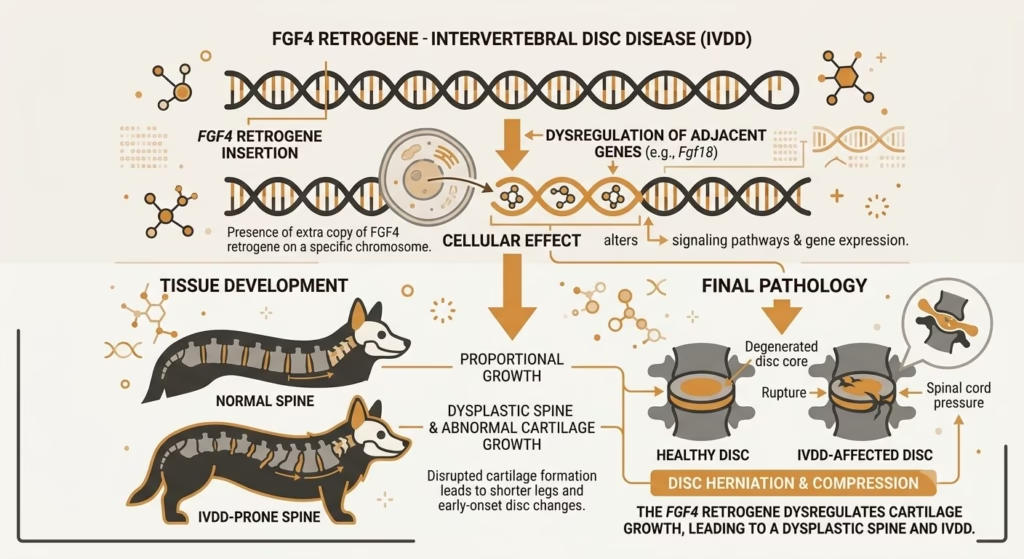 The FGF4 retrogene does not only shorten legs. It alters the entire skeletal proportions of the Corgi, including vertebral body shape and intervertebral disc composition. Chondrodystrophy — the abnormal cartilage development that produces short limbs — also produces chondroid degeneration of intervertebral discs, making them prone to herniation.
 Research Spotlight
An expressed fgf4 retrogene is associated with breed-defining chondrodysplasia in domestic dogs
Study: Parker et al. (2009), Science — "An expressed fgf4 retrogene is associated with breed-defining chondrodysplasia in domestic dogs"
Sample & Method:Candidate gene analysis across 40+ breeds, with sequencing of the FGF4 locus and association testing in chondrodystrophic versus non-chondrodystrophic breeds, confirmed by expression analysis showing ectopic FGF4 transcript in developing limb buds.
Key Finding:The FGF4 retrogene insertion on chromosome 18 is present in all tested Pembroke Welsh Corgis and causes chondrodystrophy through altered chondrocyte proliferation in growth plates — not through normal size-reduction pathways.
Why it matters here:This explains why Corgis cannot be "bred taller" by selecting longer-legged individuals within the breed — the dwarfism mechanism is essentially fixed. It also explains why Corgis share IVDD risk with Dachshunds and Basset Hounds despite different breed origins: the same retrogene creates the same skeletal geometry that predisposes to disc disease. For Guardians, this means IVDD prevention is not optional husbandry — it is breed-specific genetic management.
Intervertebral disc disease (IVDD) is the single most significant health risk in Pembroke Welsh Corgis.
Bergknut et al. (2012) — Incidence of Intervertebral Disc Degeneration-Related Diseases and Associated Mortality Rates in Dogs found that chondrodystrophic breeds experience IVDD at rates orders of magnitude higher than non-chondrodystrophic breeds. In Corgis, the lifetime risk of clinically significant IVDD is estimated at 15–25%, with onset typically between ages 3 and 7 years.
The genetic mechanism is direct. The FGF4 retrogene → chondrodystrophic skeleton → abnormal disc composition → calcification and herniation under stress. This is not a "back problem" in the general sense; it is a predictable consequence of the same genetic variant that makes a Corgi look like a Corgi.
Herding Instinct in a Reshaped Body
The Pembroke Welsh Corgi was developed as a cattle drover — nipping at heels, dodging kicks, and controlling herd movement. This behavioral selection occurred alongside (and arguably before) the fixation of chondrodystrophy, meaning the breed carries herding behavioral genetics in a body radically different from its ancestral working form.
Behavioral genetics in Corgis has not been studied as intensively as in Border Collies or German Shepherds, but breed club health surveys consistently report high heritability of herding-related behaviors — heel nipping, circling, vocalization during excitement — even in pet lines generations removed from working stock. This suggests strong genetic fixation of behavioral traits despite relaxed selection pressure in modern breeding.
The tension between herding drive and modern companion life creates specific behavioral challenges: Corgis may attempt to "herd" children, other pets, or moving objects (bicycles, vacuum cleaners), and may become frustrated or anxious when prevented from engaging these drives. This is not disobedience; it is the phenotypic expression of genetic architecture selected over generations.
Genetic Bottleneck and Diversity
The Pembroke Welsh Corgi experienced a severe population bottleneck in the mid-20th century. **Prior to Queen Elizabeth II's public association with the breed (beginning in the 1930s), Pembroke Welsh Corgis were relatively rare outside Wales.** The post-war popularity surge created a genetic bottleneck: a small number of founders gave rise to the modern global population.
Calboli et al. (2008) found that UK Kennel Club-registered Pembroke Welsh Corgis had an effective population size of approximately 50 — among the lowest of breeds studied. This bottleneck concentrated both the desirable traits that define the breed and deleterious alleles for conditions like degenerative myelopathy, progressive retinal atrophy, and cardiac disease.
Genetic Diversity Collapse in UK Corgis
Study: Calboli et al. (2008), Genetics — "Population structure and inbreeding from pedigree analysis of purebred dogs
Sample & Method: Pedigree analysis of 552,635 UK Kennel Club-registered dogs across 10 breeds, computing effective population size, inbreeding coefficients, and genetic contribution of founding animals using pedigree depth of 10+ generations.
Key Finding: Pembroke Welsh Corgis showed an effective population size of approximately 50 and inbreeding coefficients averaging 10–15%, with some individuals exceeding 25% — indicating that genetic diversity loss in this breed approached levels seen in endangered wildlife populations.
Why it matters here: This is not a historical footnote — it explains why Corgis today carry concentrated risk for degenerative myelopathy, PRA, and cardiac conditions that were rare in the pre-bottleneck population. For Guardians purchasing a puppy, it means asking breeders specifically about genetic diversity testing (not just disease screening), because standard health panels cannot detect the inbreeding depression that weakens immune function and fertility. For breeders, it makes the case that outcrossing to genetically distinct lines is not radical experimentation — it is population genetic rescue.
Life Stage Notes (Breed-Specific Only)
This section covers only where Corgi development diverges from the general pattern established in the
Genetics and Inheritance in the Companion Dog
Puppyhood (0–6 months)
Growth Rate Management
Corgi puppies are deceptively sturdy-looking but carry the chondrodystrophic skeleton from birth. **Rapid growth and excess body weight during puppyhood significantly increase lifetime IVDD risk** by placing mechanical stress on developing discs and by accelerating the chondroid degeneration that begins in early life.
Breed-specific guidance: Corgi puppies should be maintained at lean body condition (ribs palpable without excess fat covering) throughout growth. Free-feeding and high-calorie puppy formulas should be avoided in favor of measured portions appropriate for the breed's slower growth trajectory. The goal is not maximal size; it is optimal skeletal development.
Adolescence (6–18 months)
Herding Drive Activation
Corgi herding behaviors typically intensify during adolescence as hormonal changes activate genetically programmed behavioral circuits. This is the period when heel-nipping, circling, and vocalization often emerge or worsen.
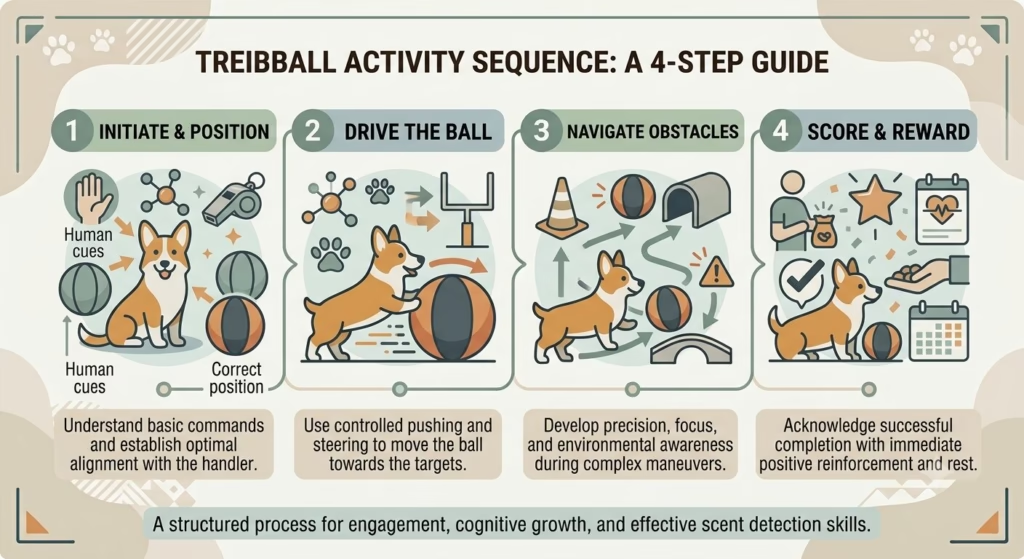
Breed-specific guidance: Channel herding drive into structured activities (treibball, herding trials, agility) rather than suppressing it. Suppression without substitution creates frustration. Early adolescence is the optimal window for introducing alternative outlets before fixed patterns develop.
Adulthood (1.5–7 years)
IVDD Surveillance
The peak incidence of IVDD in Corgis occurs during adulthood, typically ages 3–7. Early signs are often subtle: reluctance to jump onto furniture, stiffness after rest, or minor gait changes that Guardians may attribute to normal aging or minor injury.
Red Flags — consult a veterinarian immediately if you observe:
- Sudden onset of back pain or yelping when touched
- Reluctance to climb stairs or jump (in a dog previously willing)
- Knuckling of hind paws or dragging of rear limbs
- Urinary or fecal incontinence
- Any combination of back pain with neurological signs (weakness, ataxia)
These signs may indicate disc herniation with spinal cord compression — a veterinary emergency requiring immediate imaging and possible surgical intervention. Delay increases risk of permanent paralysis.
Senior Years (7+ years)
Degenerative Myelopathy Risk
Corgis carry an elevated risk for **degenerative myelopathy (DM)**, a progressive spinal cord disease with adult onset. DM is associated with a known mutation in the *SOD1* gene — the same mutation implicated in some forms of human amyotrophic lateral sclerosis (ALS).
Red Flags — consult a veterinarian immediately if you observe:
- Sudden onset of back pain or yelping when touched
- Reluctance to climb stairs or jump (in a dog previously willing)
- Knuckling of hind paws or dragging of rear limbs
- Urinary or fecal incontinence
- Any combination of back pain with neurological signs (weakness, ataxia)
The SOD1 Mutation and Corgi Degenerative Myelopathy*
Study: Awano et al. (2009), *PNAS* — "Genome-wide association analysis reveals a SOD1 mutation in canine degenerative myelopathy that resembles amyotrophic lateral sclerosis"
Sample & Method: Genome-wide association study of 38 DM-affected and 17 control Pembroke Welsh Corgis, followed by sequencing of candidate region and functional analysis showing SOD1 protein misfolding and aggregation — parallel to human ALS pathology.
Key Finding: A missense mutation in the *SOD1* gene (c.118G>A) is the major risk factor for DM in Corgis; homozygous affected dogs develop progressive spinal cord degeneration with adult onset, while carriers may show delayed or reduced penetrance depending on modifier genes.
Why it matters here: This is one of the few Mendelian conditions in Corgis with a direct genetic test — but the test predicts risk, not certainty. Many homozygous dogs never develop clinical signs, while some do. For Guardians, this means testing provides actionable breeding information (never breed two carriers) but should not create fatalistic anxiety about an affected-status pet. For breeders, it demonstrates why DM testing is non-negotiable: this mutation is at high frequency in the post-bottleneck Corgi population precisely because the bottleneck concentrated it.
Breed-specific guidance: Genetic testing for the *SOD1* mutation is available and recommended for breeding stock. Affected dogs (homozygous for the mutation) typically develop clinical signs after age 8, beginning with hind limb weakness and ataxia that progresses to paralysis. There is currently no cure; management focuses on maintaining mobility and quality of life. Early diagnosis (through genetic testing combined with clinical signs and exclusion of IVDD) allows Guardians to prepare for progressive care needs.
Practical Application for This Breed
IVDD Prevention
Daily Management
The FGF4 retrogene cannot be removed from the Corgi genome, but its consequences can be mitigated through environmental management:
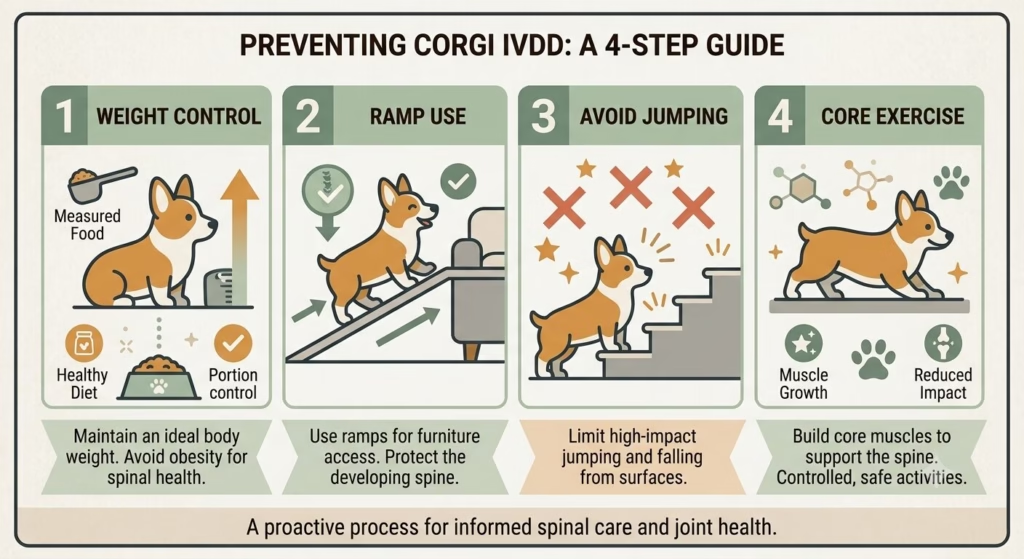
Weight Management
- Maintain body condition score of 4–5/9 (ribs palpable with slight fat covering, waist visible from above)
- Weigh monthly; adjust food portions proactively rather than reactively
- Treats should not exceed 10% of daily caloric intake
Activity Modification
- Use ramps or steps for furniture access — jumping down from height is particularly stressful to discs
- Avoid activities involving twisting jumps or repeated stair climbing
- Core-strengthening exercises (balance discs, controlled walking on varied surfaces) support spinal stability without high impact
Environmental Design
- Raised feeding stations reduce neck flexion
- Non-slip flooring prevents falls that could trigger disc herniation
- Car ramps for vehicle access
Success Criteria
Your Corgi maintains full, pain-free mobility into middle age; you can identify early signs of back discomfort before they progress to neurological deficits.
Breeding Decisions
Corgi-Specific Protocol
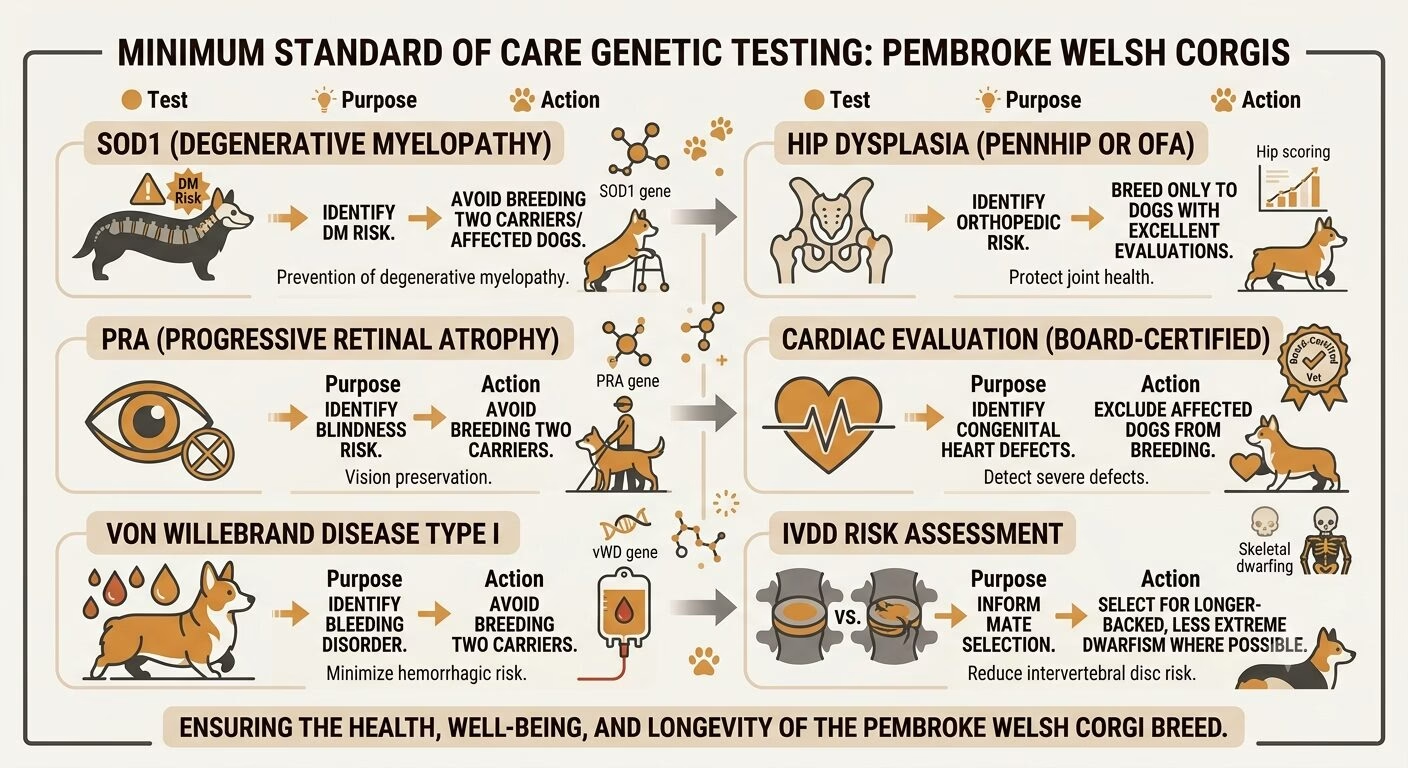
If you breed Pembroke Welsh Corgis, the following genetic testing is considered minimum standard of care:
Genetic diversity considerations
Given the breed's bottleneck history, outcrossing to genetically diverse lines — even within the breed — should be prioritized over repeated close inbreeding. Some breeders have experimented with controlled outcrosses to Cardigan Welsh Corgis (a distinct breed with different genetic history) to introduce diversity, though this remains controversial within breed clubs.
Behavioral Management
Herding Drive in Pet Homes
Worked Example
Milo, a 2-year-old Pembroke Welsh Corgi, lives in an apartment with two children. He has begun nipping at the children's heels when they run, barking excessively at the vacuum cleaner, and circling guests. His Guardian initially interpreted this as aggression and considered rehoming.
Genetic assessment
Milo's behaviors are classic herding drive expression — not aggression, but historically functional behavior in a non-functional context. The FGF4 retrogene gave him a drover's body; the herding genetics give him a drover's mind.
Intervention
- Substitution: Introduce treibball (pushing large balls into goals) twice weekly — this channels herding drive into a structured, rewarded activity
- Management: Children run only in designated play areas with Milo separated; vacuuming occurs when Milo is in another room with a puzzle toy
- Training: Teach "settle" on a mat using positive reinforcement; reward calm presence during guest arrival
- Exercise:Two 30-minute walks daily with sniffing opportunities; Corgis need mental engagement, not just physical exertion
Outcome
After 8 weeks, heel-nipping decreased by 80%; vacuum barking resolved with management; Milo could remain on his mat during guest visits. The herding drive was not eliminated — genetics preclude that — but it was redirected into acceptable expression.
Related Reading
- Genetics and Inheritance in the Companion Dog— the foundational science of inheritance patterns, polygenic traits, and genetic testing principles that this article applies to the Corgi.
- Beagle Genetics and Inheritance — compare the Corgi's chondrodystrophic dwarfism with the Beagle's scent-hound genetics to understand how different selection histories produce different genetic risk profiles.
- Canine Reproduction and Breeding Ethics— ethical frameworks for breeding decisions, particularly relevant given the Corgi's genetic bottleneck and IVDD risk.
Self-Check Questions
- Can you explain why the FGF4 retrogene makes IVDD prevention essential for Corgis specifically, not just "good practice for all dogs"?
- If genetic testing shows your Corgi carries one copy of the *SOD1* DM mutation, what does that mean for their health and for breeding decisions?
- Why might a Corgi nip at children's heels despite never having seen cattle?
- What are the specific red-flag signs that distinguish IVDD emergency from normal aging stiffness in an adult Corgi?
1. Why do Corgis have such short legs compared to other herding breeds?
Corgis carry an FGF4 retrogene insertion on chromosome 18 that causes chondrodysplasia — a specific form of dwarfism affecting limb growth plates during embryonic development. This is not normal small-dog genetics; it is a skeletal dysplasia that humans selected for because it produced a low-slung dog capable of avoiding cattle kicks while herding. The same mechanism is found in Dachshunds and Basset Hounds, explaining why these unrelated breeds share similar body proportions and back problems.
2. What is IVDD, and why are Corgis at higher risk than other breeds?
Intervertebral disc disease (IVDD) is the herniation or degeneration of cushioning discs between spinal vertebrae. Corgis are at elevated risk because the same FGF4 retrogene that shortens their legs also alters disc composition, causing chondroid degeneration that makes discs prone to calcification and herniation under stress. Lifetime risk in Corgis is estimated at 15–25%, significantly higher than non-chondrodystrophic breeds. Prevention focuses on weight management, avoiding high-impact jumping, and using ramps for furniture access.
3. Can I prevent IVDD in my Corgi through diet and exercise alone?
You cannot eliminate IVDD risk — the genetic predisposition is fixed — but you can significantly reduce incidence and severity. Maintain lean body condition (excess weight multiplies mechanical stress on discs), avoid jumping from heights, use ramps for furniture and vehicles, and engage in core-strengthening activities. These measures reduce the mechanical and metabolic stress that triggers herniation in genetically susceptible discs. Think of it as risk reduction, not risk elimination.
4. What genetic tests should my Corgi have before breeding?
Minimum recommended testing for Pembroke Welsh Corgis includes: *SOD1* (degenerative myelopathy), PRA (progressive retinal atrophy), von Willebrand disease Type I, hip dysplasia evaluation (PennHIP or OFA), and cardiac examination by a board-certified cardiologist. Some breeders also test for degenerative myelopathy modifiers and genetic diversity markers. Both prospective parents should be tested; if both carry the same recessive mutation, 25% of puppies will be affected.
5. Is the Cardigan Welsh Corgi genetically the same as the Pembroke?
No — they are distinct breeds with separate origins. The Pembroke Welsh Corgi descends from spitz-type herding dogs brought to Wales by Flemish weavers in the 10th century. The Cardigan Welsh Corgi is older, descending from teckel-type dogs brought by Celtic tribes. They were considered one breed until 1934. Genetically, they differ in several disease-associated loci and have different ancestral haplotypes. Cross-breeding between them is controversial but has been used by some breeders to increase genetic diversity in Pembrokes.
6. Why does my Corgi try to herd my children and the vacuum cleaner?
Corgis were selected for centuries as cattle drovers, with strong herding instinct bred into the population. In modern pet homes without cattle, this drive redirects to available moving targets: children, other pets, bicycles, vacuum cleaners. This is not aggression or misbehavior — it is the expression of historically functional genetics in a non-functional context. Management involves channeling the drive into appropriate outlets (treibball, herding trials) and preventing rehearsal of unwanted herding through management and substitution.
7. What is degenerative myelopathy, and will my Corgi get it?
Degenerative myelopathy (DM) is a progressive spinal cord disease similar to ALS in humans. It is associated with a mutation in the *SOD1* gene. Not all Corgis carry the mutation; those that do may never develop clinical signs (the mutation has incomplete penetrance). Affected dogs typically show hind limb weakness and ataxia after age 8, progressing to paralysis over months to years. There is no cure. Genetic testing identifies risk but not certainty; environmental factors and modifier genes influence whether mutation carriers develop disease.
8. Can I breed a Corgi with IVDD to produce healthier puppies?
A Corgi that has experienced IVDD should not automatically be excluded from breeding — the condition is essentially universal risk in the breed due to the fixed FGF4 retrogene. However, selection should favor dogs with: (a) later age of onset (suggesting better disc resilience), (b) less severe episodes, (c) longer-backed proportions within breed standard, and (d) excellent weight management history. The goal is not to eliminate IVDD risk (impossible while maintaining breed type) but to select for dogs that demonstrate resilience against it.
9. Why do some Corgis have tails and others don't?
Natural bobtail in Pembroke Welsh Corgis is caused by a mutation in the T-box gene (*TBXT*), specifically a heterozygous mutation that shortens tail development. Dogs homozygous for the mutation (two copies) typically die in utero, so all naturally bobtailed Corgis are heterozygotes. Historically, Pembrokes were docked; in countries where docking is banned, the natural bobtail mutation has been selected for. Cardigan Welsh Corgis do not carry this mutation and should have full tails.
10. Are Corgis more inbred than other purebred dogs?
Pembroke Welsh Corgis experienced a severe genetic bottleneck in the mid-20th century and have an effective population size of approximately 50 — among the lowest recorded in pedigree studies. This means less genetic diversity and higher inbreeding coefficients than many breeds. However, active health testing and some outcrossing programs have mitigated recent trends. Genetic diversity testing (available through some laboratories) can help breeders select matings that maximize heterozygosity.
11. What coat colors are genetically possible in Pembroke Welsh Corgis?
Pembrokes come in red, sable, fawn, and black-and-tan, with or without white markings. Coat color is determined by multiple loci: the extension locus (*E*) controls red versus black pigment, the agouti locus (*A*) controls pattern distribution, and the spotting locus (*S*) controls white markings. Blue merle and brindle are not accepted in the breed standard and may indicate crossbreeding. Genetic color testing can verify parentage and predict puppy colors.
12. Can genetic testing predict if my Corgi puppy will have behavior problems?
No current genetic test reliably predicts behavior in Corgis. While herding drive has genetic components, behavioral outcomes depend on complex gene-environment interactions, socialization quality, and individual experience. Temperament testing at 7–8 weeks provides better behavioral prediction than genetic markers. Select puppies from parents with stable, appropriate temperaments and commit to thorough socialization regardless of genetic background.
13. Why do Corgis and Dachshunds share similar back problems despite being different breeds?
Both breeds carry the same FGF4 retrogene insertion that causes chondrodystrophy. This retrogene likely entered both breed lineages through shared ancestral stock or convergent selection for dwarfism. The shared molecular mechanism produces shared skeletal geometry — short limbs, long back, altered vertebral proportions — and therefore shared disc disease risk. This is an example of how genetic convergence (same mutation, different breeds) produces identical health vulnerabilities.
14. Should I get pet insurance for my Corgi, and does IVDD coverage matter?
Given the 15–25% lifetime IVDD risk and potential surgical costs ($3,000–$8,000+ for hemilaminectomy), pet insurance with comprehensive IVDD coverage is strongly advisable for Pembroke Welsh Corgis. Review policies carefully: some exclude pre-existing conditions, hereditary conditions, or impose waiting periods for orthopedic coverage. Obtain insurance before any signs of back problems appear, as subsequent coverage may be denied.
15. What is the future of Corgi genetics — can we breed out IVDD while keeping Corgi type?
Eliminating the FGF4 retrogene would eliminate both IVDD risk and the breed-defining short-legged phenotype. This is not currently a realistic or ethically accepted breeding goal within the breed community. More feasible approaches include: (a) selecting for less extreme dwarfism within the existing genetic program, (b) using genetic diversity testing to reduce inbreeding depression that may exacerbate disc vulnerability, (c) developing polygenic risk scores that identify dogs with higher IVDD resilience despite carrying the retrogene, and (d) improving environmental management protocols to reduce trigger events. The Corgi's genetic future lies in managing risk, not eliminating breed character.