Corgi Nutrition and Feeding Guide
There is a reason Corgi owners talk about their dogs' backs the way other dog owners talk about their dogs' hips. Intervertebral disc disease (IVDD) is the single most significant health risk in the breed, and while genetics plays its part, body weight and nutritional status are two of the most controllable variables in how that risk plays out over a Corgi's lifetime.
Corgi nutrition is not simply about finding a good quality dog food and feeding it consistently. It is about understanding how a long-backed, short-legged body with a surprisingly powerful appetite and a genetic predisposition to disc disease responds to different caloric loads, nutrient profiles, and feeding patterns — and using that understanding to give your dog the longest, most comfortable active life possible.
This guide is for Corgi owners committed to proactive health care — using advanced nutrition to minimise IVDD risk and keep your Corgi active, mobile, and happily herding (or couch-loafing) for as long as possible. Whether you're feeding your first Corgi or adjusting the diet of a dog approaching middle age, the frameworks here give you the tools to make every meal count.
 QUICK ANSWER
What is the best approach to corgi nutrition across life stages?
Corgi nutrition requires breed-specific attention to caloric density, weight management, and spinal-supportive nutrients across every life stage. Puppies need protein-rich, calcium-balanced growth formulas; adults need portion-controlled maintenance feeding to prevent obesity; seniors benefit from joint-supportive supplements and reduced-calorie formulas. Preventing excess weight is the single most impactful nutritional intervention for Corgi spinal health.
Why Corgi Nutrition Is a Breed-Specific Science
Not all dogs need the same diet — and not all dogs with the same dietary needs have the same physical consequences for getting it wrong. For a Labrador carrying a few extra kilograms, the primary concern is joint stress in the hips and elbows. For a Corgi carrying those same extra kilograms relative to its smaller frame, the loading is distributed across a long spine designed for a much lighter dog.
The Pembroke Welsh Corgi and Cardigan Welsh Corgi are both chondrodystrophic breeds — they carry a genetic variant that affects cartilage development, producing the characteristic short-limbed body shape and simultaneously predisposing them to early intervertebral disc calcification. Calcified discs are more brittle and more susceptible to herniation under compressive load. Every extra hundred grams a Corgi carries is extra compressive load on those discs, every day, for every movement.
This is not a reason to be anxious about feeding your Corgi. It is a reason to be precise.
- Chondrodystrophy and IVDD. Hansen Type I disc disease — the form most common in Corgis — involves early mineralisation of the nucleus pulposus. It is an inherited predisposition, not a caused condition. Nutrition's role is in managing the compressive forces that determine whether a predisposed disc remains stable or herniates.
- Caloric density and portion discipline. Corgis are efficient metabolisers with appetites that evolved for working dogs burning significant energy. The modern pet Corgi lives a considerably less active life. That metabolic efficiency, combined with an impressive ability to communicate hunger, makes overfeeding a structural risk.
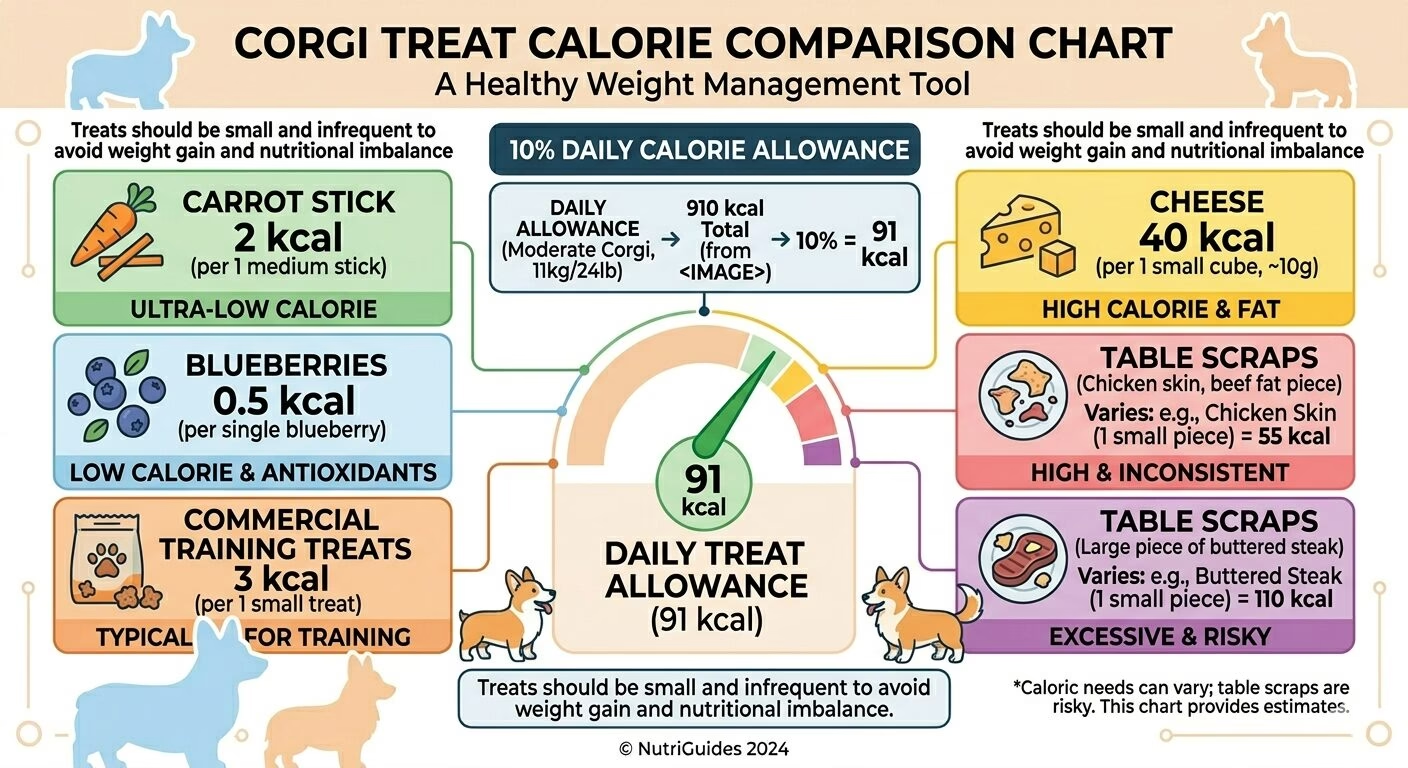
- The 10% rule. Treats and extras should not exceed 10% of daily caloric intake. This is not a guideline — in a Corgi, it is a structural health management rule.
Data point.
IVDD is estimated to affect up to 19% of chondrodystrophic breeds over their lifetime. Maintaining optimal body weight is the most evidence-supported non-surgical intervention for reducing symptomatic disc disease risk.
Corgi Puppy Diet
Feeding for Healthy Development
The Corgi puppy developmental stage covers roughly the first 12 months of life, though Corgis are considered physically mature by around 12–18 months. During this period, the nutritional demands are higher relative to body weight than at any other point in the dog's life, and the consequences of getting it wrong — in either direction — are long-lasting.
What a Corgi puppy diet must achieve:
- Support rapid muscle, bone, and organ development without promoting excessive growth speed, which increases the risk of developmental orthopaedic conditions.
- Provide the calcium and phosphorus balance required for correct skeletal mineralisation, at the ratios appropriate for a small-to-medium breed.
Deliver sufficient protein for muscle development without unnecessary caloric excess.
Formula selection for Corgi puppies:
- Corgis fall into the small-to-medium category (typically 10–14 kg at maturity for Pembrokes). Standard puppy formulas — not large-breed formulas — are appropriate for this size range. Large-breed puppy formulas are specifically designed to moderate growth rate and skeletal mineralisation in breeds that mature above 25 kg; they are not necessary for Corgis and may in fact be nutritionally suboptimal.
- Look for AAFCO compliance for growth or all-life-stages — this is a minimum qualification, not a quality guarantee, but diets that do not meet it should be disqualified immediately.
- Named animal protein (chicken, salmon, lamb, turkey) as the first ingredient.
- Calcium content of 1.0–1.6% DM; phosphorus 0.8–1.3% DM; Ca:P ratio of 1.2:1 to 1.5:1.
- Avoid diets where fillers (corn syrup, artificial colours, unnamed by-products) appear in the first five ingredients.
Feeding amounts for Corgi puppies (approximate — always verify against specific food caloric density):
Age Daily Meals Approximate Daily Amount (dry kibble)
8–12 weeks 440–60 g, divided
3–5 months 360–90 g, divided
5–12 months 2 380–120 g, divided
These are starting points — adjust based on weekly weight checks and visible body condition, not on appetite alone.
The foundation for a Corgi's lifelong health is laid even before the puppy reaches your home. The nutritional decisions made during breeding, gestation, and weaning shape the immune system and metabolic baseline your puppy arrives with — a subject covered in depth in Advanced Puppy Nutrition for Breeding Programs on PemberDiamonds.
Adult Corgi Diet
The Portion Control Imperative
The transition from puppy to adult feeding is the point at which many Corgi owners inadvertently begin the slow process of weight gain that becomes problematic by middle age. Puppy foods are calorie-dense. Adult dogs require maintenance feeding, not growth feeding. Continuing a puppy formula past 12 months without adjusting quantity is a common and consequential error.
Switching to an adult diet
Begin transitioning at 10–12 months for Pembroke Welsh Corgis, 12–14 months for Cardigans (slightly larger and slower to mature).
Use a 7–10 day transition protocol: start at 75% current food / 25% new food, shifting by 25% every 2–3 days. Abrupt transitions cause gastrointestinal upset that owners often mistake for food intolerance.
Choose an adult formula with 22–26% protein DM, 10–15% fat DM, and confirmed AAFCO compliance for adult maintenance.
The adult Corgi diet priority — caloric precision
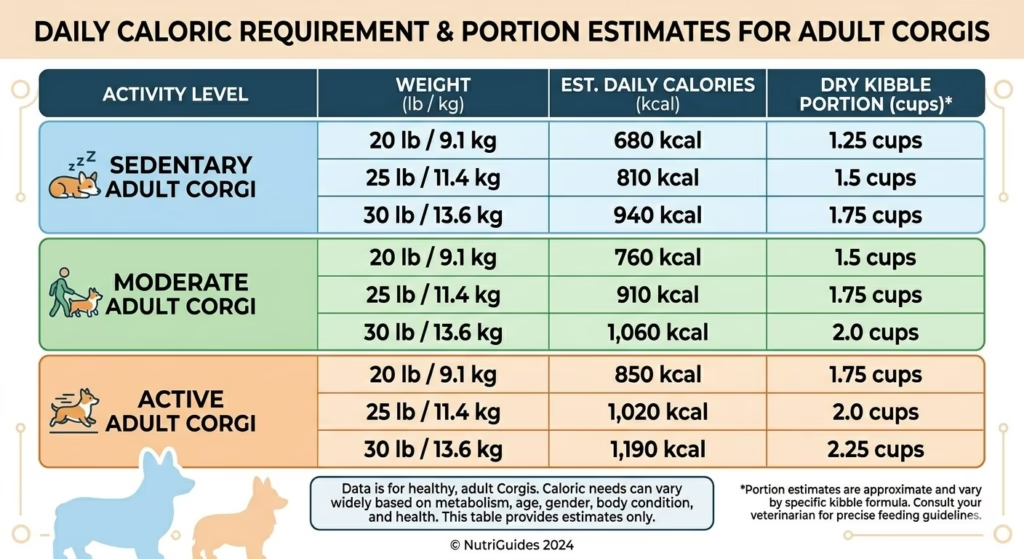
The daily caloric requirement for an average adult Pembroke Welsh Corgi (11–13 kg, moderately active) is approximately 600–750 kcal per day. A cup of standard adult dry kibble typically provides 350–400 kcal. Many Corgi owners are feeding the "recommended serving" on the packaging — which is written to serve a range of dogs and tends toward generosity. Measure with a kitchen scale, not a cup, and adjust based on monthly body condition assessment.
Activity LevelDaily Caloric Estimate (11–13 kg Corgi)Sedentary (minimal exercise)520–580 kcalModerate (30–45 min daily activity)620–720 kcalActive (working dog, agility, regular herding)750–950 kcal
Feeding for healthy coat and skin
Omega-3 and omega-6 fatty acids support the Corgi's double coat — a notable feature of the breed. A diet with 3–4% DM omega-6 and a 5:1 to 10:1 omega-6:omega-3 ratio supports coat condition, reduces shedding-related skin inflammation, and contributes to the anti-inflammatory environment that benefits spinal tissue health.
Feeding Schedule
How Often and How Much
Consistency in feeding schedule does more than regulate hunger — it supports digestive regularity, blood glucose stability, and the kind of routine that low-anxiety dogs thrive within. For Corgis specifically, scheduled feeding also makes portion control manageable: free-feeding (leaving food available at all times) is incompatible with weight management in a food-motivated breed.
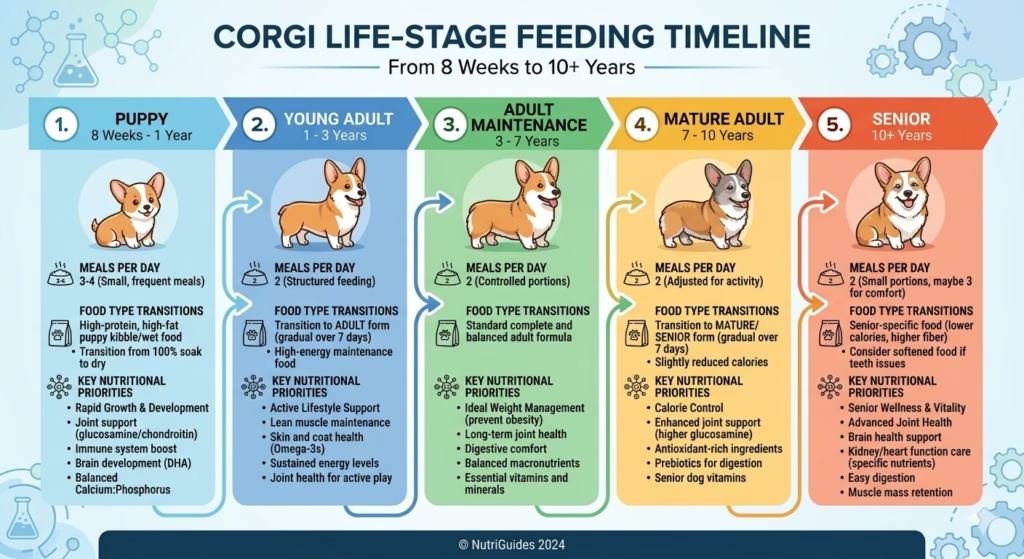
Recommended feeding schedule by life stage
Life StageMeals Per DayNotesPuppy (8–12 weeks)4High metabolic rate; small stomach capacityPuppy (3–6 months)3Gradually reduce as digestive capacity growsPuppy (6–12 months)2–3Transition toward adult scheduleAdult (1–7 years)2Morning and evening; equal portionsSenior (7+ years)2–3Smaller, more frequent meals may improve digestion
Meal timing and behaviour
Feed at consistent times each day. The Corgi's herding background gives the breed a strong routine orientation — predictable feeding times reduce anxiety-driven food-seeking behaviour (which owners often mistake for genuine hunger). Wait 30–45 minutes after meals before vigorous exercise to reduce bloat risk, though Corgis are at lower risk than deep-chested breeds.
The "still hungry" problem
Corgis are expert communicators of hunger — vocal, expressive, and persistent. This is a breed trait, not a sign of genuine caloric insufficiency. If your Corgi has a healthy BCS (4–5/9), is energetic, and maintains consistent weight, it is not underfed regardless of its theatrical protests at the bowl. Adding food in response to performance hunger is the fastest route to a dog that is genuinely overweight within 18 months.
Corgi Weight Management
The IVDD Connection
This section is the most clinically significant in this guide. The relationship between Corgi weight management and intervertebral disc disease is not theoretical — it is one of the most robustly supported connections in breed-specific canine medicine.
Why every extra kilogram matters in a Corgi
A 13 kg Corgi carrying 2 extra kilograms is 15% above its optimal weight. In human terms, this is the equivalent of a 70 kg person carrying an extra 10.5 kg. The compressive load on intervertebral discs increases non-linearly with body weight — meaning the damage from excess weight is not proportional, it is cumulative and accelerating.
Practical weight management framework
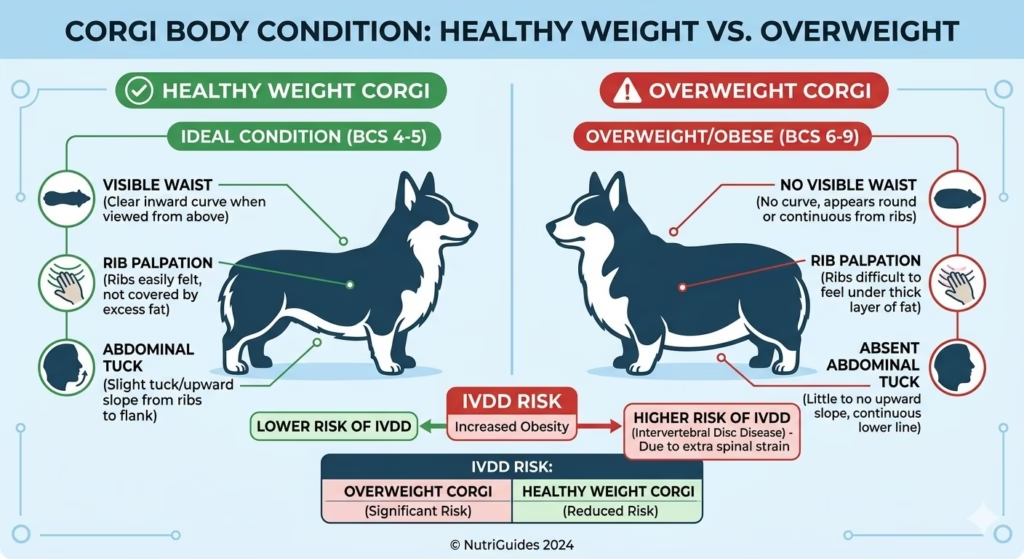
Monthly BCS assessment: Learn the 9-point BCS system and apply it monthly. You should be able to feel your Corgi's ribs with light pressure, see a visible waist from above, and observe an abdominal tuck from the side. If you cannot feel the ribs without firm pressure, the dog is overweight.
Weigh monthly: A kitchen scale works for Corgi puppies; most veterinary clinics will allow you to use their floor scale between appointments.
Consistent measurement removes the subjectivity of visual assessment.
- If weight loss is needed. Reduce daily caloric intake by 20–25% and recheck weight after 3–4 weeks. Do not reduce to less than the dog's resting energy requirement (RER). Increasing exercise is an adjunct, not a substitute for caloric management.
- Avoid weight-loss approaches that compromise protein. Reduce calories by reducing carbohydrate-heavy treats and lowering total volume of food, not by switching to a low-protein diet. Muscle mass must be preserved during weight loss to support the spinal musculature that protects the discs.
Data point
A 2012 study in the Veterinary Record found that dogs maintained at optimal body weight lived a median of 1.8 years longer than their overweight counterparts — a finding with particular relevance for long-backed breeds where quality of life in those additional years is directly affected by spinal health.
The Best Dog Food for Corgis
What to Look For
The "best dog food for Corgis" question does not have a single brand answer — it has an evaluation framework. Here is how to assess any diet you are considering for your Corgi.
Tier 1 criteria — Non-negotiable
- AAFCO compliance for the appropriate life stage
- Named animal protein as the first ingredient (chicken, lamb, salmon, turkey, duck — not "meat meal" or "animal protein")
- No artificial preservatives (BHA, BHT, ethoxyquin) in the first ten ingredients
- No added sugar or corn syrup
- Calcium and phosphorus within breed-appropriate ranges (see Section 2 and 3 above)
Tier 2 criteria — Strongly preferred
- Omega-3 source listed (salmon oil, flaxseed, fish meal) in the first eight ingredients
- Prebiotic or probiotic inclusion (fructooligosaccharides, dried chicory root, Lactobacillus species)
- Glucosamine and chondroitin listed (particularly valuable in a chondrodystrophic breed)
- Caloric density clearly stated (kcal per cup and per kilogram)
Tier 3 criteria — Useful differentiation
- Country of manufacture and supply chain transparency
- Third-party testing or quality assurance certifications
- Breed-specific or small-medium breed formula available
Wet food, raw food, and mixed feeding
Wet food is not nutritionally inferior to dry food if it meets AAFCO standards — it is higher in moisture content, which benefits hydration and kidney function. Many Corgi owners use a mixed feeding approach (primarily dry, with a small portion of wet food for palatability and hydration), which is nutritionally sound provided total caloric intake is managed accordingly. Raw feeding is practised by a segment of the Corgi community; if you choose this route, work with a veterinary nutritionist to ensure the diet meets all AAFCO macro and micro-nutrient requirements — nutritional deficiencies in home-prepared raw diets are common and not always immediately visible.
Healthy Treats and What to Avoid
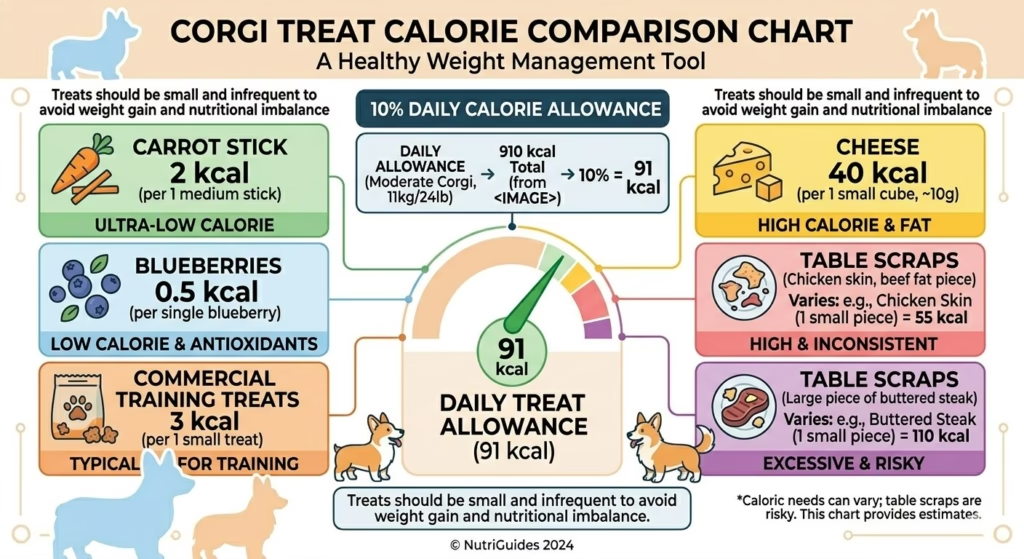
Treats are the most common route to unintended caloric excess in Corgis. The 10% rule — treats should not exceed 10% of daily caloric intake — is the anchor for all treat decisions.
Corgi-appropriate treats
- Lean protein pieces (cooked chicken, turkey, fish) — high value, low calorie, excellent for training
- Carrot sticks and green beans — very low calorie, high fibre, good crunch for dental stimulation
- Blueberries — antioxidant-rich, low calorie, appropriate in small quantities
- Commercial low-calorie training treats (look for treats under 3 kcal each for a Corgi-sized dog)
Treats to avoid entirely
- Grapes and raisins (nephrotoxic — can cause acute kidney failure)
- Onions and garlic (hemolytic anaemia risk)
- Macadamia nuts (neurological toxicity)
- Xylitol-containing products (severe hypoglycaemia)
- Cooked bones (splintering risk)
- High-fat table scraps (pancreatitis risk and significant caloric load)
Training treats and portion control
If your Corgi is in active training — which is highly recommended for the breed's mental stimulation and behavioural health, as explored in Without Cattle: Training Techniques for Corgis — reduce the main meal slightly to account for training treat calories. A Corgi working through 20–30 training treats per session is consuming meaningful calories that must be accounted for.
Supplements for Corgi Spinal and Joint Health
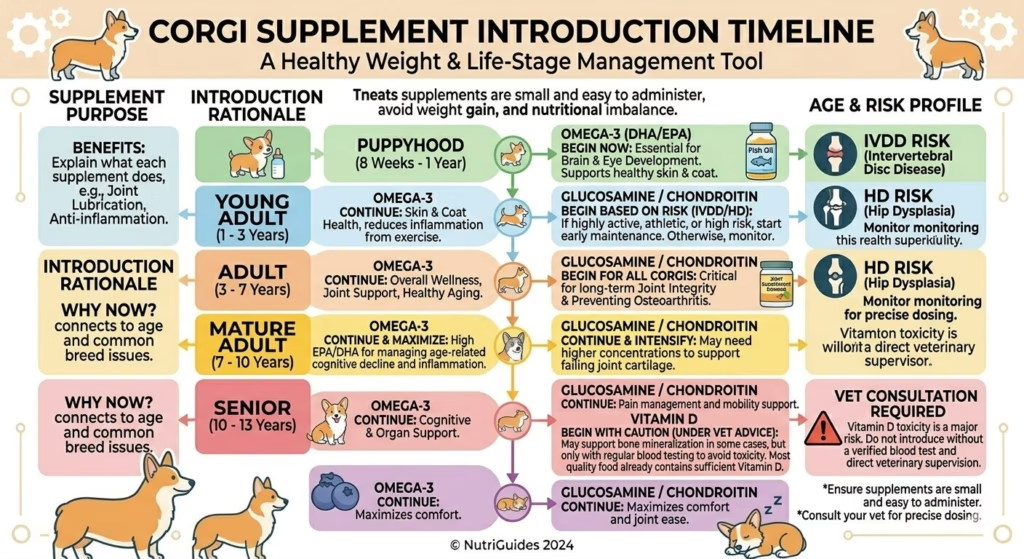
Breed-specific supplementation for Corgis is grounded in the IVDD risk profile and the need to support spinal and joint health across a long working life. The following represents an evidence-supported framework, not a prescription — consult your veterinarian before adding any supplement to your Corgi's program.
Omega-3 fatty acids (EPA and DHA)
The most well-evidenced supplement for inflammatory modulation in canine spinal and joint disease. Marine-sourced omega-3 (fish oil, krill oil) provides EPA and DHA in their active forms, unlike plant-sourced omega-3 (flaxseed, chia), which requires conversion and is significantly less bioavailable in dogs. Dosing: 300–500 mg EPA+DHA per 10 kg body weight per day. Start at the lower end and increase gradually to avoid loose stools.
Glucosamine and chondroitin sulphate
Support cartilage matrix integrity and joint fluid viscosity. Most benefit is seen as a preventive supplement in younger dogs (from 2–3 years in a chondrodystrophic breed), rather than as a late-stage therapeutic. Look for products with verified concentrations — many commercial joint supplements contain far lower active ingredient levels than their marketing suggests.
Vitamin D
Low vitamin D status has been associated with increased pain sensitivity and impaired musculoskeletal repair. Dogs cannot synthesise vitamin D through sun exposure as humans can — it must come from diet. If your Corgi's base diet is not AAFCO-compliant for vitamin D, supplementation at low doses (100–200 IU/day for a 12 kg dog) is reasonable. Do not exceed 2,000 IU/day without veterinary guidance.
What to avoid in the supplement aisle
- Products with unverified or proprietary blend concentrations
- High-dose calcium supplements (can disrupt Ca:P balance)
- Human joint supplements containing xylitol as a sweetener
For the professional-level framework on how these supplements are managed in a breeding context — including dosing protocols for dams and stud dogs — Advanced Puppy Nutrition for Breeding Programs on PemberDiamonds provides the clinical depth behind the owner-facing recommendations here.
Senior Corgi Nutrition
Adjusting for the Later Years
Corgis are generally considered seniors from approximately 7–8 years of age, though individual variation is significant. The transition to senior nutrition is not about switching to a "senior formula" — it is about reassessing the dog's individual caloric needs, monitoring for organ health indicators, and adjusting the nutrient profile to match an older body's changed requirements.
Metabolic changes in the senior Corgi
- Metabolic rate decreases by approximately 10–20% between age 7 and 12.
- Lean muscle mass tends to decline without active dietary and exercise management.
- Kidney function begins to show measurable age-related changes, making protein quality increasingly important.
- Joint and disc disease progression typically accelerates — making the omega-3 and glucosamine program more, not less, important.
Adjusting the senior feeding plan
- Reduce total caloric intake by 10–15% from age 7–8 if the dog is maintaining or gaining weight.
- Prioritise protein quality over quantity — high-quality animal protein preserves lean muscle more effectively than higher-percentage lower-quality protein.
- Consider a senior formula if caloric density management is needed, but verify that the formula has not reduced protein below 22% DM in the name of calorie reduction.
- Split daily ration into 2–3 smaller meals to support digestive efficiency, which typically declines with age.
- Monitor water intake — increased drinking can be an early sign of kidney disease, diabetes, or Cushing's disease and warrants veterinary investigation.
Data point
Research in veterinary geriatrics consistently identifies protein adequacy as the primary nutritional factor in maintaining lean body mass in ageing dogs — and lean body mass is the primary structural support for arthritic joints and compromised discs.
Reading the Labels
Breed-Specific Nutrition in Practice
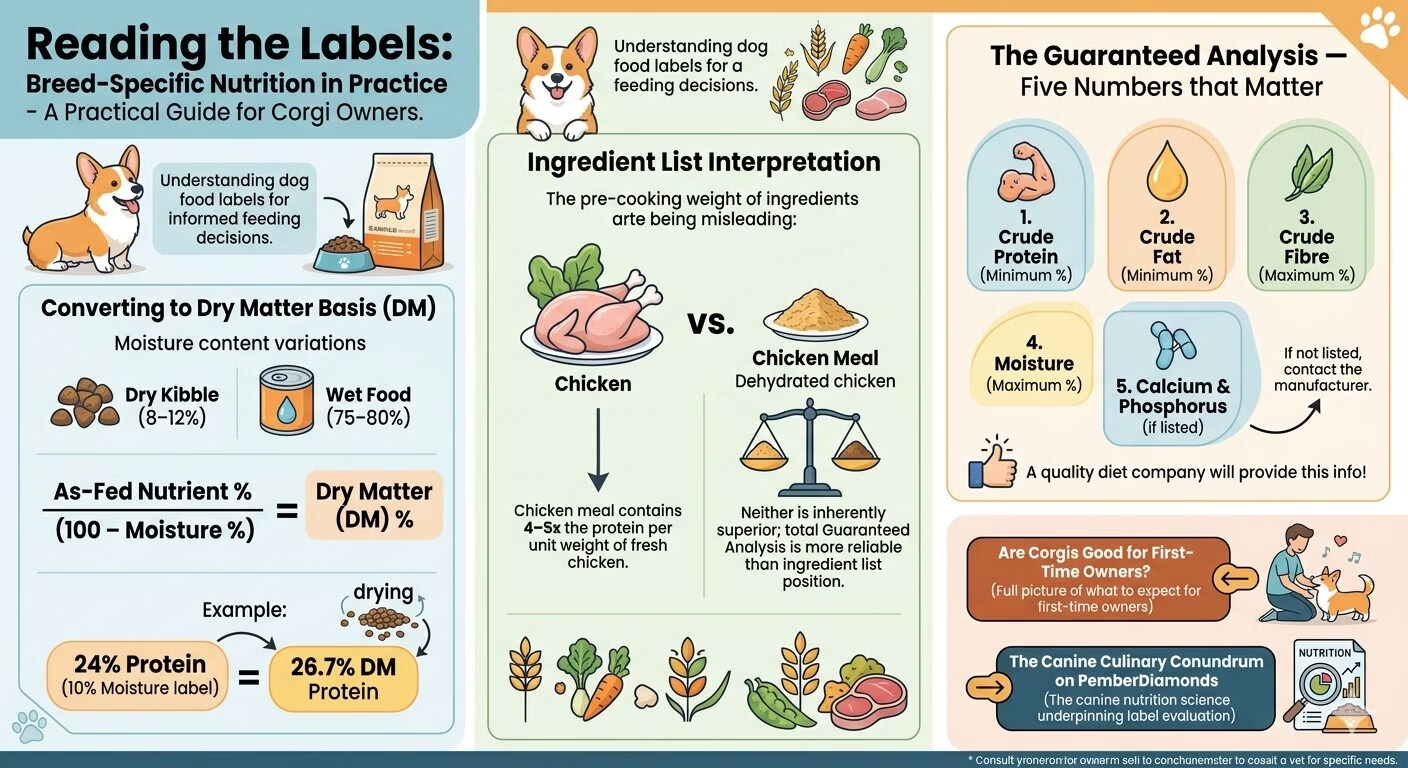
Understanding how to read a dog food label accurately is the foundation of informed feeding decisions. Here is a practical application guide for Corgi owners.
Converting to dry matter basis (DM)
Moisture content varies significantly between foods (dry kibble: 8–12%, wet food: 75–80%). To compare nutritional content meaningfully, divide the as-fed nutrient percentage by the dry matter percentage (100 minus moisture %): a dry kibble showing 24% protein on a 10% moisture label has a DM protein of 26.7%.
Ingredient list interpretation
Ingredients are listed by pre-cooking weight, which can be misleading. "Chicken" listed first often means chicken before moisture loss in cooking — after processing, it may represent less protein than a named meal (e.g., "chicken meal") listed second. "Chicken meal" is dehydrated chicken: it contains 4–5× the protein per unit weight of fresh chicken. Neither is inherently superior — context matters, and total guaranteed analysis remains the more reliable nutritional guide than ingredient list position alone.
The guaranteed analysis — five numbers that matter
- Crude protein (minimum %)
- Crude fat (minimum %)
- Crude fibre (maximum %)
- Moisture (maximum %)
- Calcium and phosphorus (if listed)
Convert protein and fat to DM basis, and compare against the stage-appropriate targets above. If the label does not list calcium and phosphorus, contact the manufacturer — a company producing a quality diet for long-term health will provide this information on request.
For first-time Corgi owners working through all aspects of Corgi care beyond nutrition, Are Corgis Good for First-Time Owners? covers the full picture of what to expect. And for the canine nutrition science underpinning label evaluation, The Canine Culinary Conundrum on PemberDiamonds provides the analytical foundation.
 EXPERT INSIGHT
A note from the Corgi community
"The most consistent thing I see in Corgis presenting with early IVDD symptoms at four or five years old is not genetics — it's weight history. Almost without exception, the dog has been 1.5 to 2 kg above optimal weight since its second birthday. That's not a dramatic number; that's the kind of excess that owners don't notice because it accumulates slowly and the dog remains enthusiastic and active right up until it isn't. What we rarely appreciate is that intervertebral disc calcification in chondrodystrophic breeds begins in the first two to three years of life — the disc changes are happening silently long before any clinical sign appears. Every year of optimal weight during that window is spinal capital you're banking against the future. Once calcification is established, weight management becomes damage limitation. Before it is established, it's genuine prevention."
— Perspective consistent with clinical findings reported in veterinary chiropractic and rehabilitation medicine literature for chondrodystrophic breeds.
 1. What is the best dog food for Corgis?
There is no single best brand — there is a best evaluation framework. Look for AAFCO compliance, named animal protein as the first ingredient, omega-3 sources listed, and caloric density clearly stated. Prioritise a formula with glucosamine and chondroitin for spinal support. Calculate portions based on your Corgi's actual caloric needs, not the serving suggestion on the bag.
2. How much should I feed my adult Corgi per day?
An average adult Pembroke Welsh Corgi (11–13 kg, moderately active) requires approximately 620–720 kcal per day. Measure portions by weight, not volume — a kitchen scale gives you accuracy that a measuring cup cannot. Adjust monthly based on BCS assessment; if ribs become difficult to feel under light pressure, reduce the daily ration by 10%.
3. When should I switch my Corgi from puppy to adult food?
Transition at 10–12 months for Pembroke Welsh Corgis, 12–14 months for Cardigans. Use a 7–10 day gradual transition: 75% old food / 25% new food, shifting by 25% every two to three days. Abrupt switches commonly cause digestive upset that owners misattribute to food sensitivity.
4. How does corgi nutrition affect IVDD risk?
Excess body weight increases compressive load on intervertebral discs throughout every movement and rest position. In chondrodystrophic breeds, where disc calcification begins in the first few years of life, cumulative excess load during that window is the most significant modifiable risk factor for symptomatic disc herniation. Maintaining optimal weight from puppyhood onward is the most impactful nutritional intervention available.
5. Are Corgis prone to obesity?
Yes. Corgis are metabolically efficient and food-motivated, with appetites that evolved for working dogs expending significantly more energy than the average pet. The combination of high food motivation, reduced activity relative to their breeding purpose, and expressive hunger communication makes them one of the breeds most commonly presented for weight management at veterinary clinics.
6. What supplements should I give my Corgi for spinal health?
Marine-sourced omega-3 (fish oil providing 300–500 mg EPA+DHA per 10 kg body weight daily) is the most evidence-supported starting supplement for inflammatory modulation. Glucosamine and chondroitin sulphate are reasonable additions from age 2–3 in a breed with this risk profile. Introduce supplements one at a time, confirm with your vet, and choose products with verified active ingredient concentrations.
7. Can I feed my Corgi a raw diet?
Raw feeding is practised in the Corgi community. It is nutritionally viable when formulated correctly to meet all AAFCO requirements for the appropriate life stage. Home-prepared raw diets frequently show deficiencies in calcium, phosphorus, zinc, or iodine when audited by veterinary nutritionists. If you choose raw feeding, work with a qualified veterinary nutritionist to verify the diet is complete — and be particularly careful to manage caloric density, as raw diets can be significantly higher in fat and calories than equivalent dry formulas.
8. How do I know if my Corgi is overweight?
Apply the 9-point BCS system monthly. At optimal weight (BCS 4–5), you should feel ribs easily with light pressure but not see them prominently; your Corgi should have a visible waist when viewed from above, and an abdominal tuck when viewed from the side. Loss of the visible waist is usually the first visual indicator of weight gain. Scale weight alone is less informative than BCS, as muscle-to-fat ratio matters as much as total weight.
9. How many times a day should I feed my Corgi?
Adults: twice daily, at consistent times, in equal portions. Puppies under 3 months: four times daily. Puppies 3–6 months: three times daily. Senior Corgis (7+ years) may benefit from two to three smaller meals to support digestive efficiency. Free-feeding is not recommended — it removes portion control and makes weight management essentially impossible.
10. My Corgi always acts hungry. Should I feed more?
Almost certainly not, if the dog is at a healthy BCS. Corgis are bred communicators of hunger and will perform hunger convincingly long after adequate feeding. Assess BCS monthly — if ribs are easily palpable, waist is visible, and weight is stable, the dog is adequately fed regardless of its performance at the bowl. Consistent boundary-setting around feeding times is part of good Corgi ownership, as covered further in the Without Cattle training guide.
CONCLUSION
Three things matter most in Corgi nutrition, and they compound on each other. Weight management is not aesthetic — it is spinal medicine, and it is most powerful when applied from the first year of life before disc calcification becomes established. Breed-specific feeding — the right formula for the right developmental stage, at the right caloric load for the individual dog's activity level — is the practical mechanism through which weight management is achieved. And supplement support for joint and spinal health, introduced progressively across the dog's life, builds a nutritional framework that gives the famous long back its best chance at a long, mobile future.
This is the Nutrition category brought to life in practical form, the Corgi's unique physiology is not a reason for anxiety, but it is a reason for precision.
The investment in getting feeding right from the start pays dividends in mobility, comfort, and years.
Feed with intention. Your Corgi's spine will thank you.
 CALL TO ACTION
Ready to go deeper on Corgi care? If you're still building confidence as a Corgi owner, Are Corgis Good for First-Time Owners? covers everything you need to know about life with the breed — including what nobody tells you before you get one. And if you're working on training alongside your nutrition program, the Without Cattle training guide has practical, positive reinforcement-based techniques that work particularly well for food-motivated Corgis.
A Note from Us
The information in this article is intended for general educational purposes only and does not constitute veterinary advice. Every dog is an individual — age, health status, activity level, and existing medical conditions all affect nutritional needs in ways that a general guide cannot account for. Before making significant changes to your dog's diet, introducing supplements, or implementing a weight management program, speak with your veterinarian. This is particularly important if your dog has any existing health conditions, is a puppy under six months, is pregnant or nursing, or is a senior dog with known organ changes. Your vet is your most reliable partner in building a feeding plan that works for your specific dog — not just the breed in general.