CANINE HEAT CYCLE & OVULATION TRACKING
The Complete Science-Based Owner's Guide
⚡ QUICK ANSWERHow do owners accurately track a female dog's heat cycle, and why does it matter? Heat Cycle and Ovulation. Relying on visual signs like blood colour or behavioural receptivity is highly unreliable due to massive individual biological variation. True accuracy requires serial vaginal cytology (microscopic cell evaluation) and quantitative serum progesterone testing (ng/mL). This data-driven approach removes all guesswork, pinpointing the precise endocrine shifts of the cycle. For preservation programmes and pet owners alike, understanding this exact timeline is critical for tracking biological maturity, identifying dangerous health risks like pyometra early, and planning the optimal timing for joint protection and future health clearances. |
Moving Beyond Visual Guesswork
For decades, managing a female dog's heat cycle was treated more like folklore than science. Traditional advice taught owners to count days on a calendar, wait for the discharge to shift to a 'straw colour,' or look for behavioural clues like 'flagging' to determine peak fertility. Modern veterinary science has proven these traditional rules fundamentally unreliable.
Individual canine biology varies tremendously. A female can ovulate as early as day 3 or as late as day 28 of her cycle, entirely ignoring standard textbook timelines. Some females bleed heavily through their most fertile window, while others produce pale, clear fluid from day one.
To practise true biological stewardship, owners must move past subjective visual observations and embrace quantifiable tracking. By understanding the microscopic cellular changes and specific hormonal milestones occurring within her body, all ambiguity is removed. This guide provides a data-driven blueprint to precisely track those hormonal shifts and protect her long-term physical soundness.
| ℹ Why This Guide Matters Globally
The global pet reproductive medicine market was valued at over USD 370 million in 2024, with canine breeding management technologies growing rapidly across Europe, North America, Australia, and Asia. Accurate ovulation tracking is now considered the international gold standard for responsible canine stewardship — whether you own a family pet or run a preservation breeding programme. |
The Four Phases of the Canine Estrous Cycle
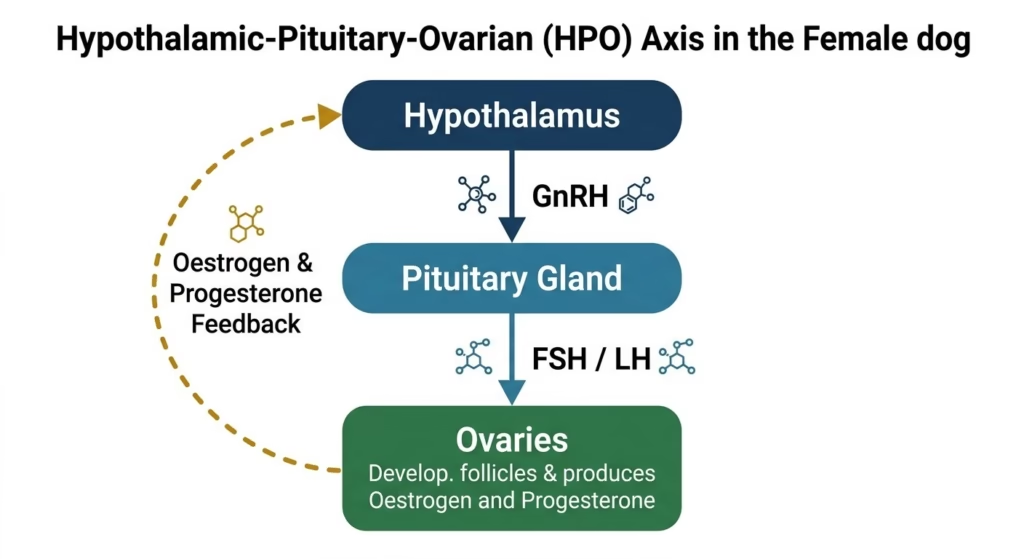
The entire canine season is orchestrated by a complex chemical signalling network known as the Hypothalamic-Pituitary-Ovarian (HPO) Axis. This biological communication loop begins deep within the brain when the hypothalamus releases Gonadotropin-Releasing Hormone (GnRH). This chemical signal prompts the pituitary gland to secrete two vital messengers: Follicle-Stimulating Hormone (FSH) and Luteinizing Hormone (LH). These hormones travel through the bloodstream to the ovaries, signalling them to develop follicles, produce oestrogen, and initiate the physical cycle.
Phase 1 - Proestrus
The Preparation Phase
Proestrus marks the grand opening of the heat cycle, acting as a preparatory engine that alerts the local canine population while keeping actual mating strictly off the table. This phase functions as an anatomical warning system characterised by significant local inflammation and rapid cellular turnover.
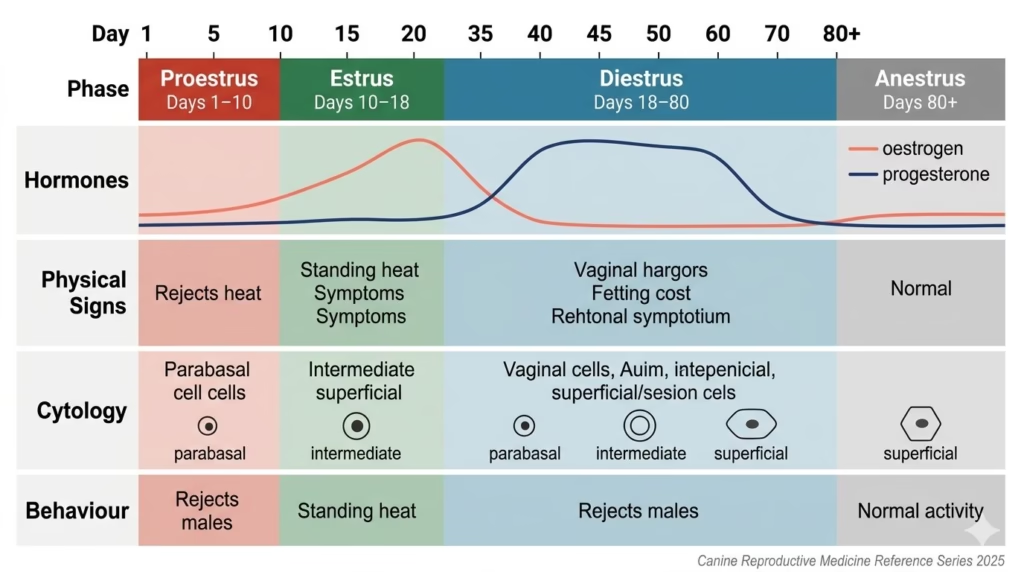
- Hormonal Profile: Oestrogen rises rapidly as ovarian follicles mature, while progesterone remains at its lowest resting baseline (less than 1.0 ng/mL).
- Physical Signs: Pronounced swelling (oedema) of the external vulva and a dark red, bloody discharge originating from the vascular lining of the uterus.
- Cellular Mechanics: Under the microscope, a vaginal smear reveals a transition from small, round parabasal cells to larger intermediate cells, mixed with abundant red blood cells and white blood cells (leukocytes).
- Behavioural Dynamics: The female produces volatile pheromones (methyl p-hydroxybenzoate) that attract intact males, but she is not yet fertile and will actively reject advances.
- Duration: Typically 7–10 days, though highly variable (3–17 days in some individuals).
Phase 2 - Estrus
The Fertile Window
Estrus is the operational core of the cycle, where systemic hormones shift from building up tissues to releasing genetic material. This is the only period where conception can physically occur.
- Hormonal Profile: Oestrogen drops sharply, triggering a massive LH surge. Progesterone climbs past 2.0 ng/mL at the surge and hits 5.0 ng/mL at the exact moment of ovulation.
- Physical Signs: The vulvar tissue softens and loses its turgidity. The heavy red discharge typically lightens to pale pink or straw-coloured fluid.
- Cellular Mechanics: Vaginal cytology reveals peak cornification: 80%–100% of cells are large, dead, angular, anucleate superficial cells.
- Behavioural Dynamics: The female transitions to 'standing heat.' She will actively seek males, flag her tail, and willingly accept mating.
- Duration: Typically 5–9 days, though individuals may vary from 3 to 21 days.
Phase 3 - Diestrus
The Hormonal Plateau
Whether an accidental mating occurred or the female remained entirely isolated, her endocrine system enters the exact same metabolic state following oestrus. This is a prolonged, silent phase dominated by high progesterone levels.
- Hormonal Profile: Progesterone becomes the dominant hormone, peaking between 15.0 and 90.0 ng/mL — identically in both pregnant and un-mated females.
- Physical Signs: Vulvar swelling recedes completely, discharge stops, and mammary glands may develop slightly.
- The Diestral Shift: A dramatic overnight cellular change where superficial cells drop by over 50%, replaced by an influx of parabasal cells and white blood cells — occurring exactly 6 days after ovulation.
- Duration: Approximately 60–90 days, regardless of pregnancy status.
Phase 4 - Anestrus
The Reproductive Rest Phase
After the high-pressure hormonal environment of the previous months, the reproductive system undergoes mandatory biological rest. All reproductive hormones return to quiet baseline levels, and the uterus repairs itself at the cellular level.
- Duration: 4–5 months in most breeds, acting as a metabolic reset period.
- Clinical Importance: This phase allows the uterine lining (endometrium) to fully regenerate. Shortening it artificially through hormonal manipulation dramatically increases pyometra risk.
The Four-Phase Estrous Reference Matrix
| Phase | Duration | Progesterone | Key Cytology | Behaviour |
| Proestrus | 7–10 days | < 1.0 ng/mL | Parabasal + intermediate cells, RBCs | Attracts males; rejects mounting |
| Estrus | 5–9 days | 2.0–25.0 ng/mL | 80–100% superficial anucleate cells | Standing heat; accepts mating |
| Diestrus | 60–90 days | 15.0–90.0 ng/mL | Massive leukocyte influx; parabasal return | Rejects males completely |
| Anestrus | 4–5 months | < 1.0 ng/mL | Mixed cells, no inflammatory pattern | Normal juvenile behaviour |
Vaginal Cytology
Reading the Cellular Story
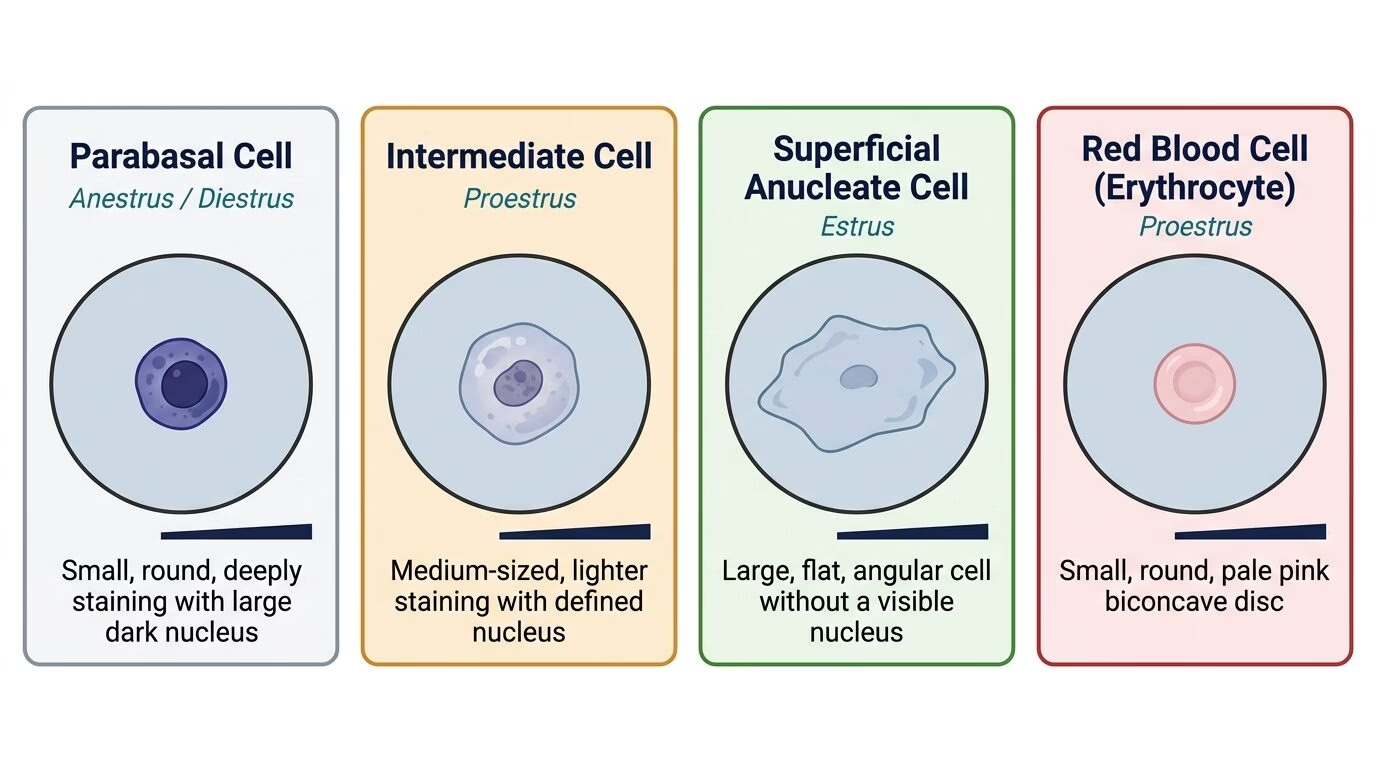
Vaginal cytology is the cornerstone of accurate cycle tracking. By collecting a simple swab from the vaginal wall and examining it under a light microscope, trained owners and veterinarians can identify exactly which phase of the cycle the female is in — at zero cost compared to blood testing alone.
The Four Cell Types You Will See
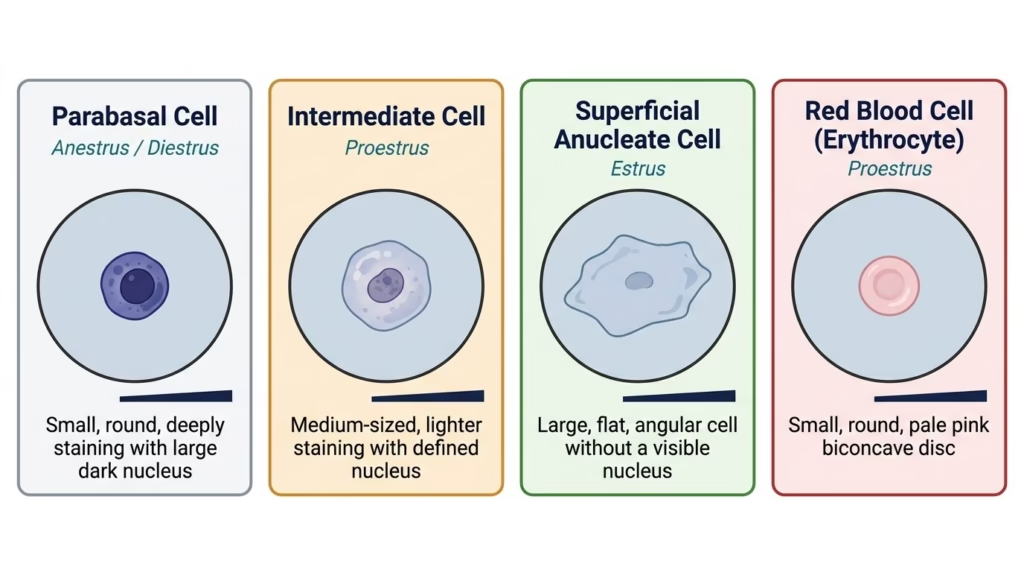
- Parabasal Cells: Small, round, darkly-staining cells with large nuclei. Predominate during anestrus and return in mass during the diestral shift. Their presence confirms the cycle is at a non-fertile stage.
- Intermediate Cells: Slightly larger than parabasal cells, with a defined nucleus. Their appearance marks the rising oestrogen of proestrus.
- Superficial Cells: Large, flat, angular cells with absent or small pyknotic nuclei. Their percentage cornification index is the primary fertility marker. When they reach 80–100% of the slide, the female is in true fertile estrus.
- Red Blood Cells (Erythrocytes): Abundant during proestrus as the uterine lining sheds. Their number does not correlate with fertility status.
The Cornification Index
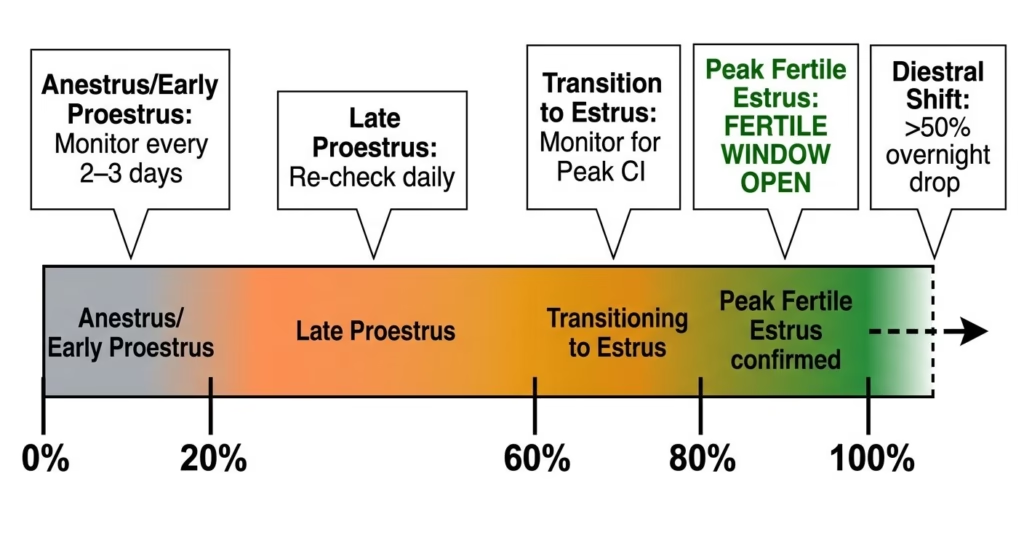
The Cornification Index (CI) is the percentage of superficial anucleate cells on the slide. It is the most precise, objective metric for determining fertile estrus without a blood test.
| Cornification Index | Phase Indicated | Action Required |
| 0–20% | Early proestrus or anestrus | Continue monitoring every 2–3 days |
| 20–60% | Late proestrus | Begin progesterone testing at this stage |
| 60–80% | Transitioning to estrus | Increase testing frequency to every 48 hours |
| 80–100% | Peak fertile estrus confirmed | Confirm with progesterone; fertile window is open |
| Drop > 50% overnight | Diestral shift — end of fertile window | Fertile window has closed; count 6 days back to confirm ovulation date |
| “Many owners fixate on blood colour as a fertility indicator — this is one of the most persistent and dangerous misconceptions in canine reproduction. I have seen females ovulate while producing deep red blood, and others in standing estrus with no discharge at all. Cytology is the only honest mirror of what is happening inside the reproductive tract.”
— Dr. Margaret Kuhlman DVM, DACVIM — Board-Certified Veterinary Internist, Canine Reproduction Specialist |
Serum Progesterone Testing
The Quantitative Gold Standard
While vaginal cytology tells you which phase she is in, quantitative serum progesterone testing tells you the exact day she is on within that phase. Together, they form a complete biological picture that no single method can provide alone.
The Progesterone Milestone Framework
| Progesterone Level | Biological Event | Clinical Action |
| < 1.0 ng/mL | Baseline — Anestrus/Early Proestrus | Establish baseline; begin cytology tracking |
| 1.0–1.5 ng/mL | Pre-surge rise — Follicles maturing | Begin testing every 48 hours without fail |
| 2.0–3.0 ng/mL | LH Surge — Ovulation clock starts | Critical milestone — breed within 4–6 days |
| 4.0–6.0 ng/mL | Ovulation occurring (~5.0 ng/mL) | Eggs released; require 48–72 hours to mature |
| 10.0–25.0 ng/mL | Peak fertile window — Oocyte maturity | Optimal insemination window; highest conception rates |
| 15.0–90.0 ng/mL | Diestrus plateau | Confirms ovulation occurred; does NOT confirm pregnancy |
| < 2.0 ng/mL (pregnant female) | Pre-whelping progesterone drop | Whelping imminent within 24–48 hours |
Understanding Progesterone's Exponential Curve
The most common tracking mistake is expecting progesterone to rise linearly. In reality, it can linger flat at 1.1–1.3 ng/mL for 5–6 consecutive days, causing inexperienced owners to conclude the cycle has stalled — then jump from 1.8 ng/mL to 5.5 ng/mL in under 24 hours.
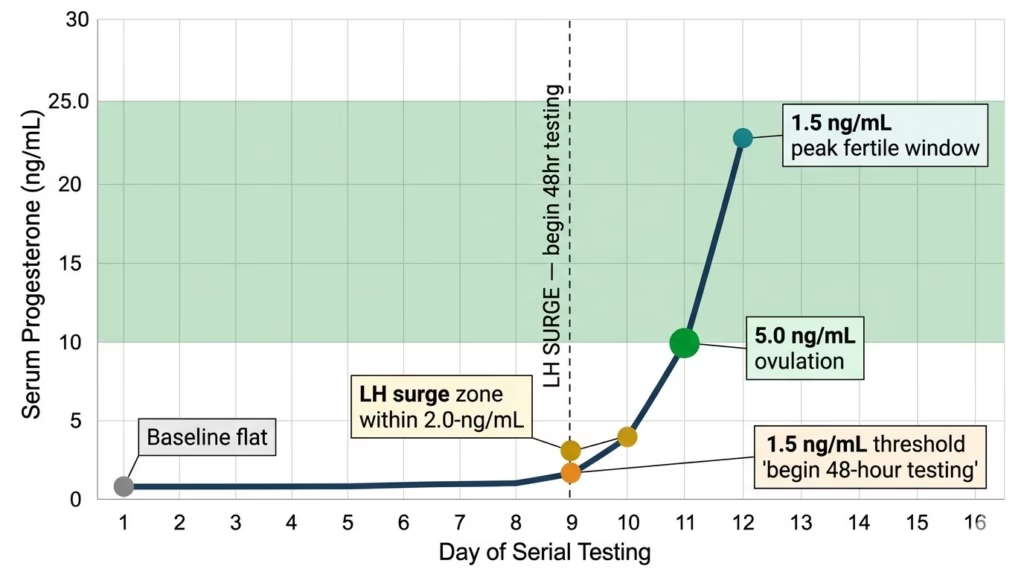
| “The exponential rise of canine progesterone is the number one cause of missed fertile windows in non-professional settings. Once her baseline crosses 1.5 ng/mL, serial testing every 48 hours is non-negotiable. Waiting 72 or 96 hours at this stage is gambling with her entire cycle.”
— Prof. Stefano Romagnoli DVM, PhD — University of Padua, Italy; International Canine Reproductive Medicine Specialist |
Understanding Unit Conversion
Veterinary laboratories globally report progesterone in either ng/mL or nmol/L. These are NOT interchangeable:
- To convert nmol/L to ng/mL: Divide the nmol/L value by 3.18
- Example: 15.9 nmol/L ÷ 3.18 = 5.0 ng/mL (ovulation)
- Example: 63.6 nmol/L ÷ 3.18 = 20.0 ng/mL (peak fertile window)
| ℹ The Unique Biology of Canine Eggs
Unlike virtually all other mammals, dogs ovulate primary oocytes — eggs that are still in an early, immature stage of cell division. These eggs require an additional 48–72 hours inside the oviducts to complete meiosis and develop into fertile ova capable of accepting sperm. This is why the peak fertile window occurs not at ovulation itself (5 ng/mL) but 2–3 days later, when progesterone has risen into the 10–25 ng/mL range. Understanding this unique biology is foundational to all modern canine reproductive management. |
5. Advanced Cycle Variables & Irregular Seasons
While the four-phase matrix represents the biological standard, real-world canine reproduction regularly produces variations — particularly in young females experiencing their first or second heat cycle as their HPO axis matures.
Split Heats
A split heat is a highly common variation in young dogs, particularly those under 18 months of age. The body attempts to initiate puberty, causing normal proestral swelling and bleeding for a few days. However, the brain fails to produce a large enough LH surge to trigger ovulation, and the cycle abruptly stops. Two to four weeks later, the HPO axis resets and fires again, executing a complete, normal, and fertile season. Cytology during the aborted phase will show elevated intermediate cells that fail to progress to superficial cornification.
Silent Heats
A silent heat occurs when the ovaries undergo complete internal hormonal shifts — including ovulation — without producing any classic external physical signs. There is no visible vulvar swelling and no bleeding. These hidden cycles are completely missed by calendar-based tracking and can only be detected through serial progesterone monitoring or observation of intense reactions from intact males in the vicinity.
Prolonged Proestrus
Some females, particularly certain giant breeds, can remain in proestrus for 3–4 weeks before transitioning to the fertile estrus phase. Calendar-based tracking would incorrectly estimate their fertile window as having already passed. Only cytology and progesterone data accurately document a prolonged proestrus.
| “In my 22 years practising reproductive medicine, I have never met a breed that follows the textbook perfectly. I have documented a Greyhound bitch ovulating on Day 4 of her cycle and a German Shepherd bitch not ovulating until Day 31. This variation is not pathological — it is normal canine biology. The only safe response is data, not assumptions.”
— Dr. Claudia Schäfer-Somi DVM, PhD — Institute of Animal Breeding and Genetics, Vienna, Austria |
Hormones, Growth Plates, and Orthopaedic Health
Understanding the exact timeline of a female's heat cycle is not just important for tracking fertility — it is fundamentally linked to her long-term orthopaedic soundness. The long bones of a dog's limbs grow from specialised cartilaginous bands near the joints known as epiphyseal growth plates.
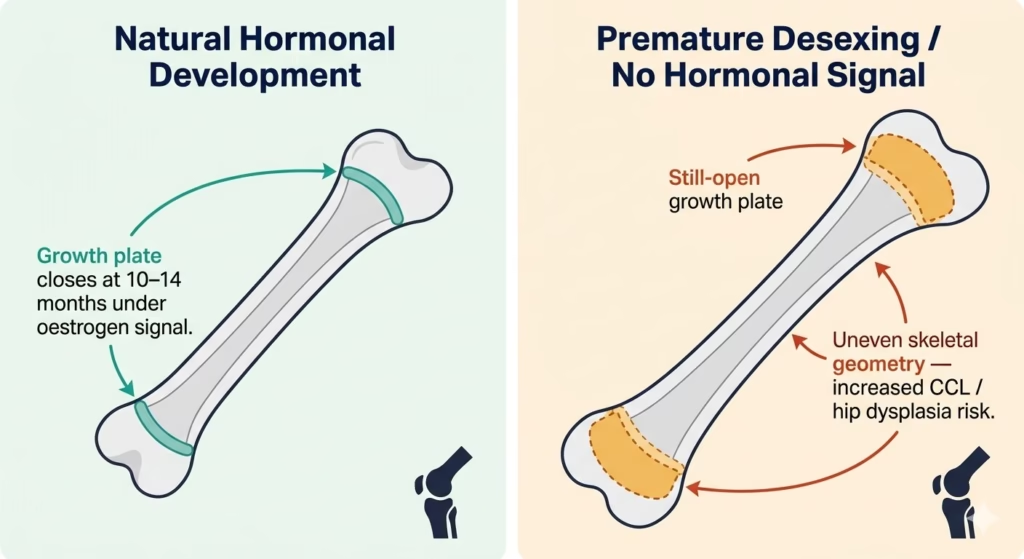
During a puppy's youth, these growth plates remain open, soft, and flexible, allowing the bones to lengthen. The exact timing of when these growth plates stop expanding and solidify into permanent bone is directly regulated by gonadal hormones — specifically oestrogen and progesterone.
What Happens When Females Are Spayed Early
When a female dog is allowed to experience her natural heat cycle, the hormonal surge sends a critical signal to her skeletal system, instructing the open growth plates to finish growing and lock into their final adult proportions. When a female is spayed prior to her first season, this vital signal is completely absent.
Without oestrogen to close the growth plates, the long bones continue to grow excessively long, resulting in uneven skeletal proportions. This uncoordinated growth alters the mechanical leverage across her knee and hip joints, significantly increasing lifelong risk of:
- Cranial Cruciate Ligament (CCL) rupture
- Hip dysplasia
- Early-onset osteoarthritis
- Patella luxation in small breeds
| ℹ Research Evidence
A landmark 2013 study published in PLOS ONE (Torres de la Riva et al., UC Davis) examined 759 Golden Retrievers and found that early neutering (before 12 months) increased the incidence of CCL rupture from 5% to 21% in females, and hip dysplasia from 5% to 7.5%. These findings have been replicated in multiple breeds, including Labrador Retrievers, Rottweilers, German Shepherds, and Border Collies. |
Pathological Red Flags
Uterine Complications
A data-driven tracking protocol is an owner's best defence against serious reproductive illness. The most critical threat to an intact female dog is Pyometra — a severe, life-threatening uterine infection that develops directly because of the high-progesterone environment of the diestrus phase.
How Pyometra Develops
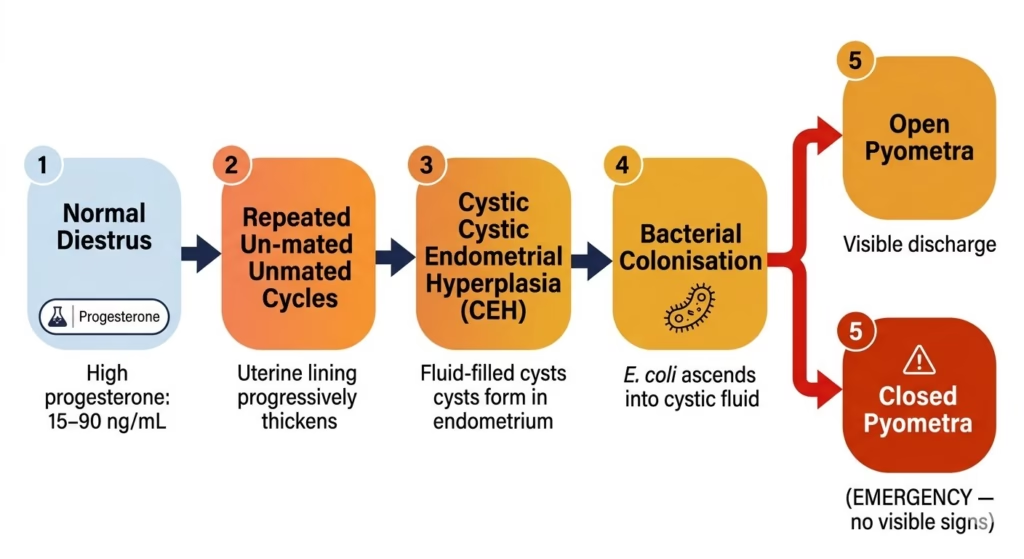
Progesterone naturally causes the uterine lining to thicken and secrete fluids while simultaneously lowering the uterus's local immunity. Over multiple un-mated cycles, repeated exposure can cause the lining to become hyper-reactive — a condition called Cystic Endometrial Hyperplasia (CEH). These fluid-filled cysts create a perfect, trapped environment for opportunistic bacteria like E. coli to rapidly multiply.
Open vs. Closed Pyometra
- Open Pyometra: The cervix remains relaxed, allowing foul-smelling pus mixed with dark blood to drain visibly from the vulva. Serious, but easier to catch early due to visible discharge.
- Closed Pyometra: An absolute medical emergency. The toxic pus is completely trapped, expanding the uterus until potential rupture inside the abdomen. No external discharge appears — owners must watch for systemic signs.
| ⚠ Emergency Warning Signs of Closed Pyometra
Seek emergency veterinary care IMMEDIATELY if your female (4–8 weeks after her heat cycle) shows: sudden excessive thirst and urination (polydipsia/polyuria) | vomiting | extreme lethargy | firm or distended abdomen | high fever (>39.5°C / 103.1°F) | loss of appetite. Closed pyometra can be fatal within 24–48 hours without surgical intervention. |
Follicular Ovarian Cysts
If a female remains in standing heat — showing continuous vulvar swelling and bleeding — for more than 28 consecutive days, her endocrine system is likely experiencing a follicular ovarian cyst. The developing follicle fails to rupture and release its egg, instead continuously secreting oestrogen. Vaginal cytology will reveal a persistently stuck profile of 100% cornified superficial cells. Long-term, this constant oestrogen load can lead to bone marrow suppression and severe aplastic anaemia.
Practical At-Home Bio-Security During Heat
Successfully navigating a heat cycle requires an unyielding management protocol within the household.
The Double-Barrier Confinement Strategy
Airborne pheromones released during estrus can cause intense frustration in intact males. Never rely on a single door or standard plastic crate. Implement a strict double-barrier rule: at least two closed, locking barriers must always separate the male and female simultaneously.
- Female in a secure wire crate, inside a locked bedroom
- Male maintained in a completely separate wing of the household
- Separate turnout schedules — never overlapping outdoor time
- Wash hands between handling male and female dogs
Hygiene and Physical Care
- Use veterinary-grade heat pants/nappies — but remove when outdoors and during crate rest to prevent bacterial skin infections
- Wipe the vulvar area gently with warm water twice daily to prevent ascending infections
- Avoid dog parks, grooming salons, and boarding facilities during the full 21-day cycle
- Keep outdoor exercise on a secure leash — a female in standing heat can display remarkable athleticism to find a mate
Nutritional Support During the Cycle
Rising oestrogen levels act as a natural appetite suppressant, causing many females to reduce food intake significantly during late proestrus and early estrus. Manage this with:
- Warm, low-sodium bone broth added to meals — provides hydration, amino acids, and palatability
- Highly digestible protein sources (poached chicken, cottage cheese) to maintain lean muscle mass
- Avoid high-fat, rich additions that may cause digestive upset under hormonal load
- Monitor hydration closely, especially in hot climates
Expert Opinions from Global Veterinary Specialists
| “The single most important advance in canine reproductive medicine over the past 30 years has been the widespread availability of in-house progesterone analysers. We moved from guessing at fertile windows based on behaviour to identifying them with decimal-point precision. Every responsible owner of an intact female should understand the basics of this technology.”
— Dr. Autumn Davidson DVM, MS, DACVIM — University of California Davis School of Veterinary Medicine, USA |
| “In Scandinavian preservation breeding communities, we have moved entirely to data-driven cycle management. We no longer schedule matings based on calendar days or behavioural observations. Every single breeding is supported by a minimum of three progesterone readings and two cytology evaluations. This is not excessive — it is the scientific minimum required for responsible stewardship.”
— Dr. Hilde Mjaaland DVM — Norwegian Kennel Club Certified Reproductive Specialist, Oslo, Norway |
| “The Asian canine breeding community has undergone a significant shift. We are seeing a rapid adoption of in-clinic progesterone testing among serious breeders in Japan, South Korea, and Singapore. The drivers are twofold: greater awareness of the orthopaedic evidence around early desexing, and the growing financial and emotional value placed on well-bred preservation dogs. The science is universal — biology does not change between continents.”
— Dr. Yoshiaki Tanaka DVM, PhD — Nippon Veterinary and Life Science University, Tokyo, Japan |
Whelping Date Prediction
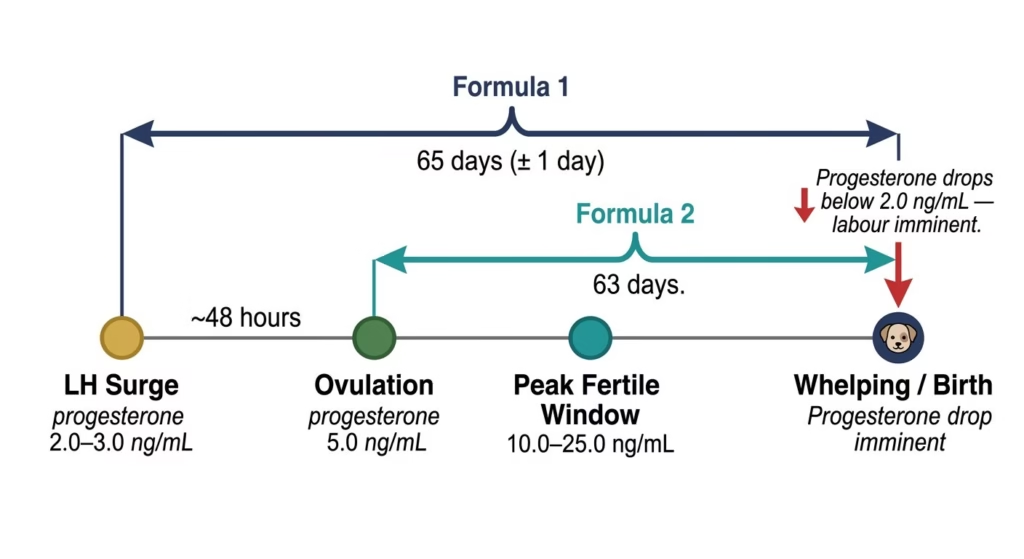
One of the most clinically powerful applications of progesterone tracking is the ability to calculate a precise whelping date — independent of actual breeding dates.
- Whelping occurs exactly 65 days (± 1 day) after the initial LH surge
- Equivalently, whelping occurs exactly 63 days after confirmed ovulation (progesterone reaching 5.0 ng/mL)
- Breeding dates are irrelevant to whelping date calculation — only the LH surge date matters
| ℹ Clinical Application
A female bred on Day 10 and Day 12 of her cycle will whelp on the same day as if she had been bred on Day 14 and Day 16, provided ovulation occurred on the same date. Knowing the exact ovulation date allows veterinarians to plan elective C-sections, prepare supplemental oxygen, and schedule pre-whelping progesterone decline monitoring with precision. |
 Frequently Asked Questions (FAQ)
Q: Why should I perform vaginal cytology if I am already doing progesterone blood tests?
A: Vaginal cytology and progesterone testing track two completely different things. Cytology measures the body's response to rising oestrogen (telling you when the cycle is actively moving), while blood tests measure quantitative progesterone (pinpointing the exact day of ovulation). Using them together provides a complete, clear picture that neither method can deliver alone.
Q: What exact percentage of cornified cells indicates true fertile estrus?
A: True fertile estrus is confirmed under a microscope when 80% to 100% of the visible epithelial cells are large, flat, angular, anucleate superficial cells, and all round parabasal cells and white blood cells have vanished from the slide.
Q: How do I convert nmol/L results to ng/mL?
A: Divide the nmol/L value by 3.18. For example, 15.9 nmol/L ÷ 3.18 = 5.0 ng/mL, which indicates ovulation is occurring. Always verify which unit your laboratory uses before interpreting results.
Q: My veterinarian reported 'leukocytes' on my dog's heat smear. Is this a sign of infection?
A: Not necessarily. White blood cells are a completely normal finding during early proestrus and during the diestral shift. They are only a concern when accompanied by a foul-smelling discharge, continuous dark pus, fever, or lethargy 4–8 weeks after the heat cycle ends.
Q: Can stress cause a female's progesterone curve to stall?
A: Yes. Severe environmental stress, heavy travel, sudden changes in kennel structure, or significant physical illness can trigger a cortisol spike that disrupts the HPO axis, causing progesterone numbers to plateau or delaying ovulation by several days.
Q: My dog's progesterone reading came back at 45 ng/mL three weeks after her heat ended. Is she pregnant?
A: Not necessarily. Both pregnant and un-mated females maintain high progesterone levels (15–90 ng/mL) during the diestrus phase due to the unique nature of canine luteal function. High progesterone simply confirms that she completed a normal ovulation. Pregnancy confirmation requires ultrasound imaging at 28+ days post-ovulation.
Q: What is the biological reason behind estrus anorexia in young females?
A: Peak oestrogen levels act as a powerful appetite suppressant in the brain's hypothalamus. This hormonal load causes a temporary drop in appetite during late proestrus and early estrus. Manage it with warm bone broth, highly palatable fresh food toppers, and small, frequent meals rather than forcing standard feeding routines.
Q: How often should I run progesterone tests once my female enters her season?
A: Establish her baseline around Day 5–6 of the cycle. Once her numbers rise past 1.5 ng/mL, test every 48 hours without exception to avoid missing the rapid transition toward the LH surge. At 2.0–3.0 ng/mL, daily testing may be warranted in high-stakes situations.
Q: When is it safe to reintroduce my female back into normal social routines?
A: She can safely return to her normal routine once a full month has passed since Day 1 of her cycle, her vulva has returned to its normal resting size, and she no longer attracts any notable interest from intact male dogs.
Q: Can a female dog experience a phantom pregnancy even if she has never been near a male dog?
A: Yes. Every intact canine cycle triggers a diestrus phase in which the body produces high progesterone levels regardless of pregnancy. In sensitive females, the natural post-diestrus drop in progesterone can simulate the hormonal conditions of birth, causing milk production and maternal behaviours toward toys or stuffed animals.
 Key Takeaways
- Never rely solely on visual signs (blood colour, discharge appearance) to determine cycle phase or fertility.
- Vaginal cytology provides a real-time, low-cost window into the cellular biology of the cycle.
- Quantitative serum progesterone is the gold standard for identifying ovulation timing to the decimal point.
- Canine oocytes require 48–72 hours of oviducal maturation post-ovulation before they can be fertilised.
- The peak fertile window is 10.0–25.0 ng/mL progesterone, not at ovulation itself.
- Both cytology and progesterone must be used together for complete, reliable cycle management.
- Hormones from the heat cycle are essential for growth plate closure and lifelong orthopaedic health.
- Pyometra develops in the diestrus phase and demands immediate veterinary emergency intervention.
- Precise LH surge dating allows exact whelping date calculation: 65 days from surge, 63 days from ovulation.

Continue exploring this topic in more detail through these related articles.
- Cluster Article 1: Progesterone Testing In Dogs — Learn how progesterone testing helps pinpoint the optimal breeding window in dogs.
- Cluster Article 2: Your Female Dog's First Heat Cycle — What to expect and how to respond when your female dog experiences her first heat cycle
- Cluster Article 3: Mastering the First Heat Cycle in Female Pembroke Welsh Corgis — Veterinary-Grade Owner's Manual
Disclaimer
This article is for informational and educational purposes only and does not constitute professional veterinary advice. Progesterone testing, heat cycle monitoring, and breeding decisions should always be made in consultation with a qualified veterinarian. The authors and website accept no liability for any actions taken based on the information in this article.
© 2026 — Canine Reproductive Medicine Reference Series
© 2026 — Canine Reproductive Medicine Reference Series | All clinical values are evidence-based and should be reviewed with your veterinary professional.